
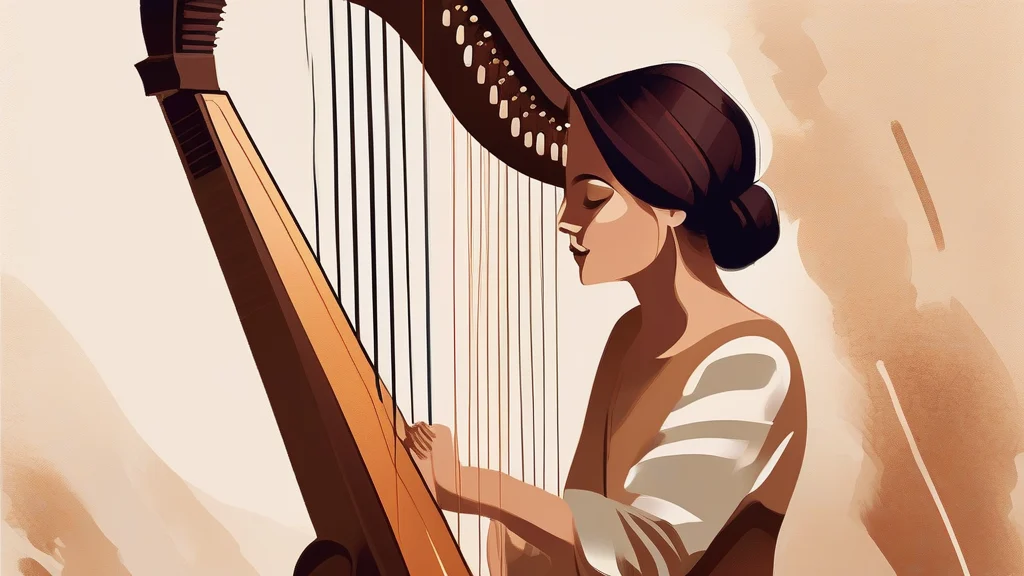
What does harpist mean?
A harpist is someone who plays the harp, an instrument whose strings are plucked by hand. The word is used for both accomplished performers and, less formally, anyone who plays the instrument. Harpists are especially associated with classical music, where the harp can provide flowing accompaniment, rich harmonies, and dramatic solo passages, but the instrument is also used in folk, traditional, and contemporary styles. In ordinary conversation, harpist identifies a performer by instrument rather than by a particular genre, and it can therefore be used in news reports, concert reviews, biographies, and educational materials. The related word harp player is understandable and descriptive, while harper can be used synonymously in some contexts but may be less precise because it can have additional meanings in historical and figurative usage.
nounA harpist is a person who plays the harp, especially as a musician or performer.
- A person who plays the harp, especially as a professional musician or performer.
"The harpist opened the concert with a delicate melody."
"A harpist accompanied the singer during the closing song."
"The young harpist won the competition with a delicate interpretation of the traditional piece."
The plural is formed by adding -s and is used when referring to more than one harp player.
"The two harpists performed together for the first time."
A harpist turns a field of strings into a landscape of sound, making silence shimmer between the notes.
Reviewed by Deb Chak, Editor. AI-assisted content curated by RJS Tech Solutions LLP.
Where does harpist come from?
Harpist is an English formation made from harp and the suffix -ist, meaning a person who practices or specializes in something. The word harp derives from Old English hearpe, from a Germanic root associated with a triangular stringed instrument. The formation follows the productive English pattern of naming musicians by their instruments, as in violinist or pianist. Its distant Germanic ancestry is also reflected in related forms such as arpeggio and arpeggiate, which ultimately refer to playing or sounding the notes of a harp-like series of strings.
Related word forms
How harpist is actually used
The term is neutral and professional, commonly used in classical music, folk music, and concert contexts. It is less usual for someone who plays the harp casually.
Easily confused with harpist
A harpist plays a harp, whereas a harpsichordist plays a harpsichord, a keyboard instrument with a very different sound and mechanism.