
What does harp mean?
A harp is a large stringed instrument in which the strings are stretched across an open frame and plucked with the fingers. Its clear, resonant sound is associated with orchestral music, ceremonial occasions, traditional ballads, and skilled solo performance. The most familiar noun sense refers to the instrument itself, but harp can also be a verb meaning to play the instrument. More commonly in figurative use, 'to harp on' something means to keep returning to or emphasizing a subject, often in an overly persistent manner. The expression is frequently used in reporting and criticism: a speaker may be described as harping on a particular issue. The word has deep roots in English, deriving from Old English hearpe and ultimately from a wider Germanic and Indo-European family of related forms. Today, harp can therefore name both an elegant musical instrument and, figuratively, a persistent form of argument.
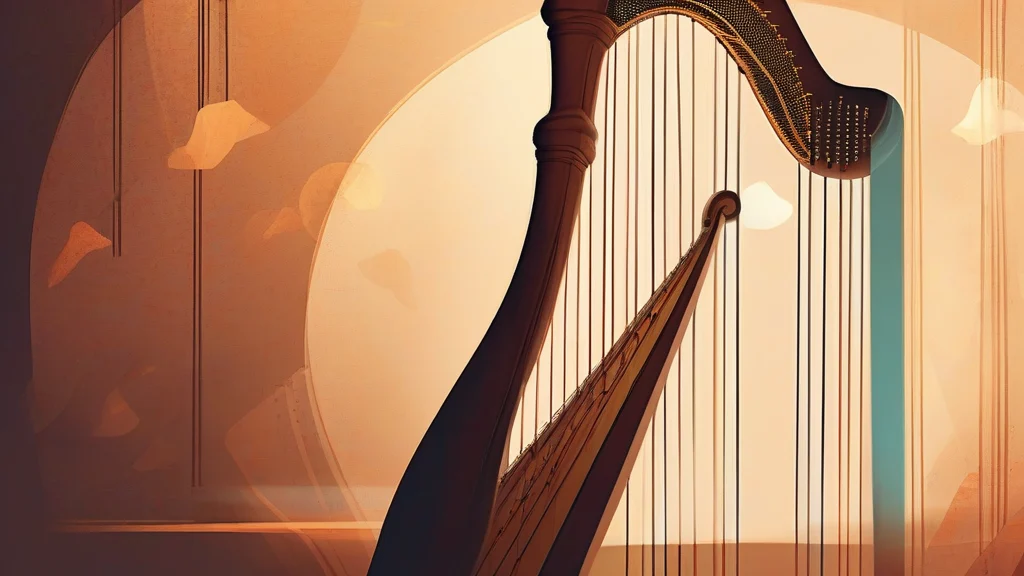
A musical instrument with strings stretched across an open frame, played by plucking the strings with the fingers.
"A lone harpist performed on a concert harp at the festival."
The instrument has several forms, including the smaller lap harp and the large orchestral or pedal harp.
To play a harp; figuratively, to dwell on or repeatedly emphasize a subject.
"The speaker continued to harp on the issue of funding."
The expression 'harp on' is the usual form of the figurative sense and often implies excessive repetition.
The regular plural refers to multiple harp instruments or, figuratively, to several people who play the harp.
"The collection includes several ornate harps from different musical traditions."
Its Old English name was hearpe, a relative of German Harfe and a reminder that the harp has been part of English culture for well over a thousand years.
Reviewed by Deb Chak, Editor. AI-assisted content curated by RJS Tech Solutions LLP.
Where does harp come from?
The English word comes from Old English hearpe, inherited from Proto-Germanic *harpan, and is cognate with forms such as German Harfe. French harpe, Italian arpa, and Latin harpa entered the Romance languages through related musical terminology, with Latin harpa generally understood to have been borrowed from Celtic. The figurative verb meaning to dwell repeatedly on a subject developed during the early modern period, probably by extension of the idea of repeatedly plucking or returning to the same string.
Related word forms
How harp is actually used
The traditional British pronunciation has a silent r, while the American pronunciation normally retains it. The figurative expression 'harp on' is common in formal and informal criticism and often carries the implication that a subject is being emphasized excessively.