
What does harper mean?
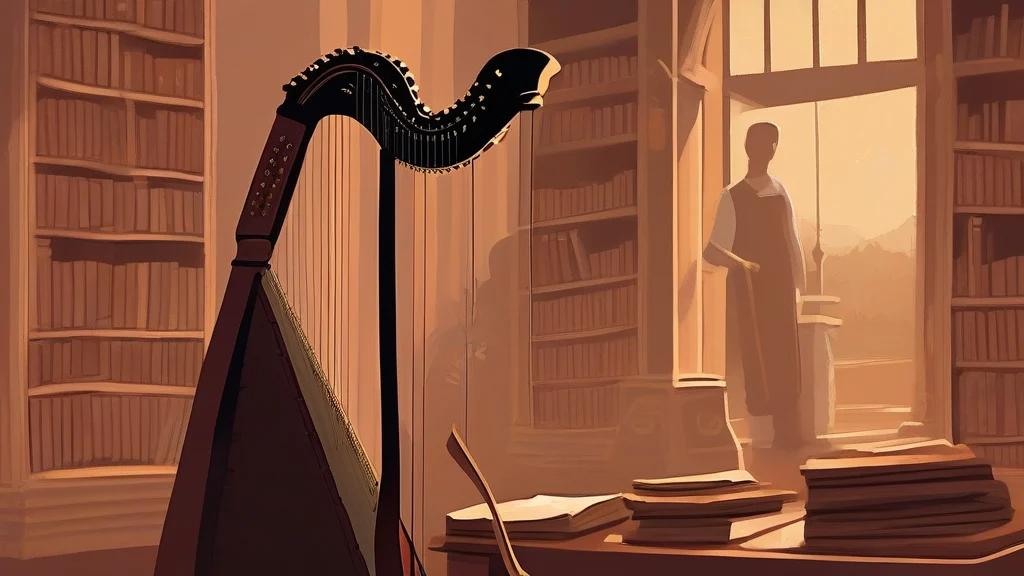
A harper is a person who plays the harp, a stringed instrument whose plucked strings can produce a broad range of melodic and harmonic sounds. The word is especially evocative of traditional, courtly, and folk music, and it can refer either to a professional performer or, historically, to a musician associated with medieval and early modern entertainments. In figurative English, a harper is someone who keeps returning insistently to a subject, especially a complaint or grievance, though harpist is more common when naming the musician. The word is fully established in British and American English and is easily understood by speakers who may never encounter it in daily conversation. Its historical associations give it a slightly literary or traditional tone, while the instrument’s distinctive sound makes “harper” a memorable and evocative word for describing both music and people who perform it.
nounA person who plays the harp, especially in a courtly, folk, or other musical setting. By extension, a person who persistently harps on a subject.
- A person who plays the harp.
- A person who repeatedly harps on a subject or grievance.
"The harper began playing as soon as the audience entered the hall."
"A harper performed traditional songs for the gathered crowd."
"Rather than becoming a harper on the issue, she allowed the discussion to move on."
The regular plural is used for multiple people who play the harp.
"The two harpers performed a duet at the festival."
A harper preserves a medieval profession in a single, perfectly musical word.
Reviewed by Deb Chak, Editor. AI-assisted content curated by RJS Tech Solutions LLP.
Where does harper come from?
Harper descends from Middle English harpere, an agent noun formed from harp with the suffix -ere, meaning a person who plays or is associated with a harp. The suffix comes from Old English -ere, a productive element for forming words denoting people or agents; modern English generally uses the shorter -er in this function. Related forms include harp, harpist, and harpsichord, while arpeggio belongs to a related European word family associated with the harp.
Related word forms
How harper is actually used
Harper is standard in both British and American English. In modern usage, harpist is usually the more familiar term for a professional or trained harp player; the figurative sense meaning a persistent complainer is less common.
Easily confused with harper
A harper plays a harp, whereas a harpy is a mythological winged creature or, in modern figurative use, a predatory or unkind person.