
What does horn mean?
A horn is a hard, projecting growth on the head of animals such as cattle, goats, sheep, and antelope. The word also refers to brass musical instruments, vehicle warning devices, pointed projections, and the familiar image of a cornucopia filled with abundance. Its meaning therefore extends well beyond animal anatomy: a musician may play a horn, a driver may sound a horn, and an anvil may have horns at one end. The term can be used formally, especially in biological or zoological contexts, but expressions such as “horn in” and “old horn” are informal. “Horn” is also a useful example of how one ordinary word develops figurative and technical senses while retaining a clear connection to its original physical form.
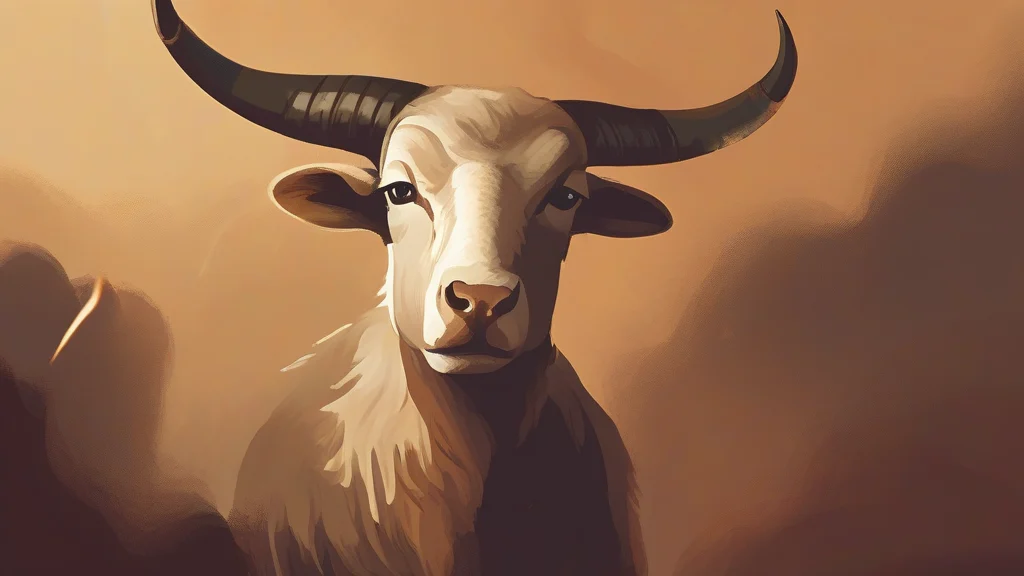
A hard, usually curved projection on the head of an animal, especially cattle, sheep, goats, and antelope.
"The ibex curved its horns backward over its body."
“Antler” is usually preferred for the branched or shedding horn of deer.
A brass musical instrument sounded by blowing into it, especially a French horn or trumpet.
"The horn entered softly during the final movement."
The word can refer to a particular instrument or collectively to horn players in an orchestra.
A device that produces a loud warning or signal, especially on a vehicle.
"A car sounded its horn at the blocked junction."
This sense is common in British English as well as American English, though vehicle sound-warning systems are now also described as “horns” or “horn systems.”
A pointed or projecting part, especially of an anvil, bow, or similar object.
"The far end of the anvil has two pointed horns."
The plural is used for multiple animal horns, instruments, vehicle horns, or projecting parts.
"The cattle raised their horns as the train passed."
From a warning trumpet to a bighorn sheep’s formidable crown, “horn” connects animal anatomy, music, signaling, and the idea of abundance.
Reviewed by Deb Chak, Editor. AI-assisted content curated by RJS Tech Solutions LLP.
Where does horn come from?
The English word “horn” descends from Old English horn, a Germanic term for an animal’s horn or a projecting point. The word has cognates in several Germanic languages and is related to the Latin cornu, meaning “horn,” which also underlies words such as “cornice” and “cornet.” The musical sense developed from the use of animal horn as a wind instrument, while the signaling sense follows from the use of horns to announce or warn. Its figurative associations with strength, prominence, and abundance developed from the physical prominence of horns and from the horn-shaped cornucopia.
Related word forms
How horn is actually used
“Horn” is highly versatile. In the animal sense, it is usual for cattle, goats, sheep, and antelope, while “antler” is more characteristic of deer. “Horn” can also sound formal or archaic when used as an informal form of address. In British English, the final consonant is generally silent in the standard pronunciation.