
What does irregulars mean?
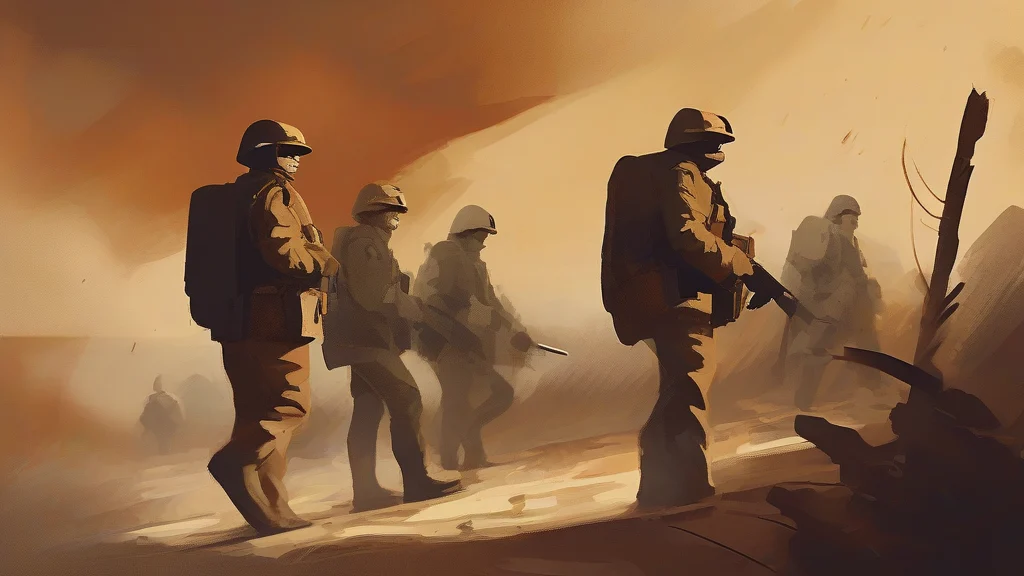
Irregulars are people who operate outside the usual or officially established structure. Most commonly, the word refers to members of an irregular military force: guerrillas, partisans, militia members, or resistance fighters who are not formally part of a regular army. In broader, often literary usage, irregulars can mean people who behave unconventionally or challenge accepted rules and social expectations. The military sense emphasizes the contrast between an organized regular force and fighters who may rely on local support, mobility, and unorthodox methods. The broader sense can describe genuine nonconformity, although it may also imply eccentricity or social marginality. The plural form is the standard form of the noun, while the related adjective “irregular” is used before another noun, as in “irregular forces,” and the related adverbs and nouns extend the same Latin root. The word remains useful because it captures both organized resistance and the broader idea of departure from the expected norm.
noun (plural)Members of an irregular military force, especially one that is not officially part of a regular army. The term can also refer more generally to people or things that depart from established rules, conventions, or expected patterns.
- Members of an irregular military or paramilitary force.
- People who act outside established rules, conventions, or social norms.
"The irregulars operated from the mountains, carrying out raids against the occupying forces."
"Local irregulars joined the resistance during the occupation."
"The novel treats social outsiders and moral irregulars with unusual sympathy."
The standard plural of the noun “irregular,” and normally the form used when referring collectively to unconventional or non-regular fighters.
"The irregulars began their attack before dawn."
In military history, irregulars have often fought with fewer resources but greater local knowledge than formal armies.
Reviewed by Deb Chak, Editor. AI-assisted content curated by RJS Tech Solutions LLP.
Where does irregulars come from?
The word derives from the Latin irregularis, meaning “not regular” or “not according to rule,” from the opposite of regularis (“according to rule”). The adjective entered English through French and was used in military and legal contexts before becoming established for non-standard or unconventional behavior. The related forms regular, regularly, regularity, and irregularity all reflect the same Latin root and its opposition to a regular pattern.
Related word forms
How irregulars is actually used
In military contexts, the term usually refers to fighters who are not incorporated into a regular armed force. Its broader use for people who depart from social conventions can sound literary, informal, or occasionally judgmental, depending on context.
Easily confused with irregulars
Regulars belong to an organized, officially established military force, whereas irregulars operate outside that regular structure.