What does kabuki mean?
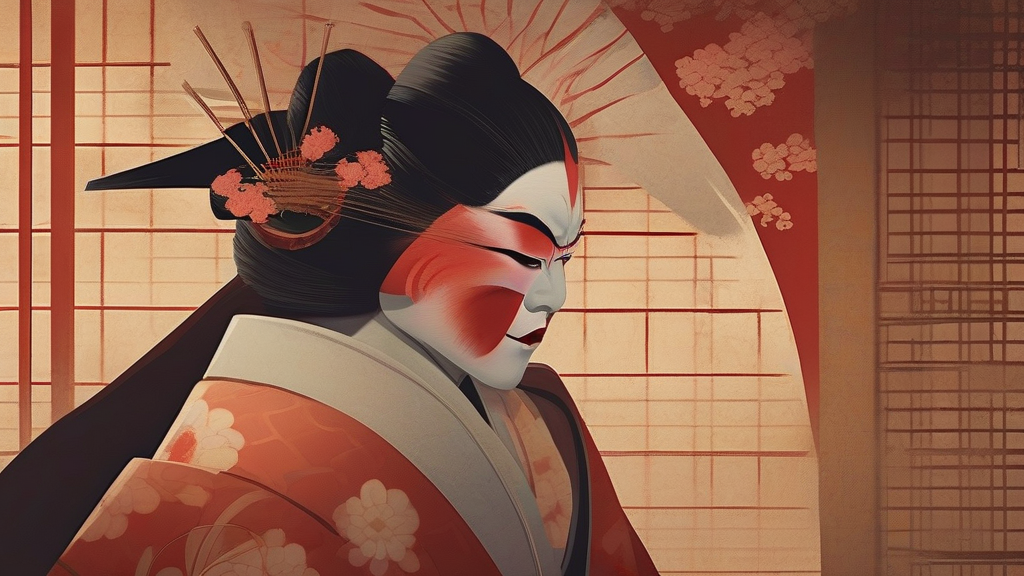
Kabuki is a classical form of Japanese dance-drama that originated in the 17th century. It is characterized by its stylized performances, dramatic storylines, and elaborate costumes, makeup, and sets. Kabuki is known for its precise movements, expressive acting, and poetic dialogue. The art form has a rich history and is still performed today, with many theaters in Japan and around the world showcasing traditional kabuki plays. Kabuki has also had an influence on Western theater and continues to be a source of inspiration for artists and performers. Its unique blend of drama, dance, and music makes kabuki a fascinating and captivating art form.
nounA classical form of Japanese dance-drama known for its stylized performances and dramatic storylines. Kabuki is characterized by its elaborate costumes, makeup, and sets.
- A classical form of Japanese dance-drama
- A specific performance or play in the kabuki style
"The Tokyo theater company performed a traditional kabuki play, mesmerizing the audience with their precise movements and expressive acting."
"The kabuki performance was a highlight of the cultural festival."
"The actress was praised for her portrayal of the lead character in the kabuki play."
Reviewed by Deb Chak, Editor. AI-assisted content curated by RJS Tech Solutions LLP.
Etymology of kabuki
The word 'kabuki' originated in Japan in the 17th century, derived from the Japanese word 'kabuku,' which means 'to be out of the ordinary' or 'to be eccentric.' The art form emerged as a popular entertainment in the Edo period, influenced by traditional Japanese theater forms such as Noh and kyogen. Over time, kabuki developed its own distinct style and conventions, becoming a beloved and enduring part of Japanese culture.
How kabuki is actually used
Kabuki is often used to describe a theatrical performance that is overly dramatic or stylized, sometimes pejoratively. However, in Japanese culture, kabuki is a revered and traditional art form.