
What does maiolica mean?
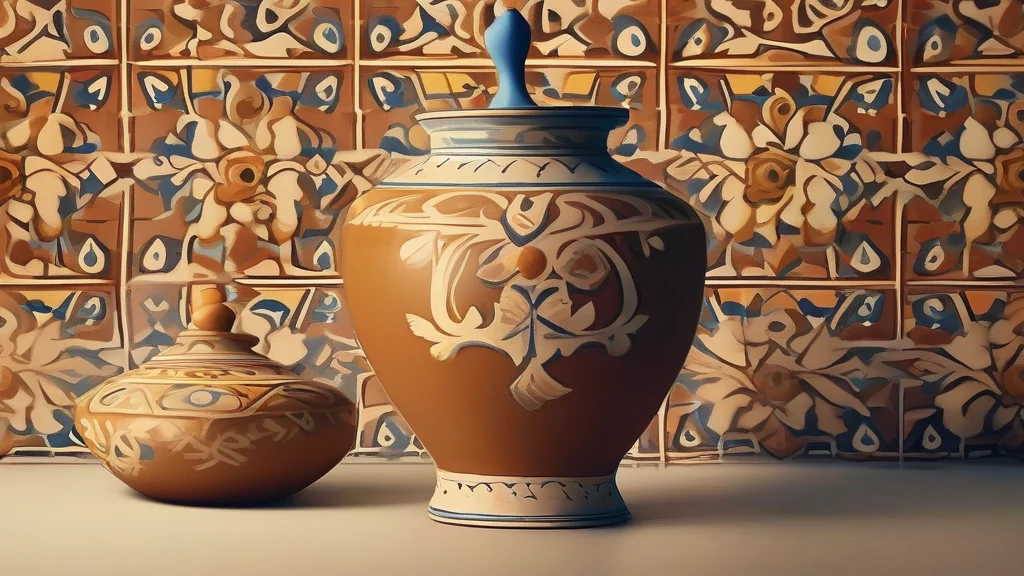
Maiolica is a traditional form of decorated earthenware, especially associated with Italian pottery and architectural tiles. Its surface is covered with an opaque white tin glaze, which provides a bright ground for painted or incised designs. The word commonly appears in discussions of Renaissance ceramics, when colourful maiolica plates, bowls, jugs, and tiles were produced in numerous centres across Italy. The technique is valued for the vivid contrast between its white glaze and coloured decoration, as well as for the distinctive character of the finished surface. Although maiolica can refer broadly to a style of glazed pottery, specialists often use the term more precisely for tin-glazed earthenware associated with Italian workshops. It overlaps with the term faience, but maiolica has a more specific historical and regional association. For collectors, historians, and museum specialists, the word therefore identifies both a material tradition and a richly decorative artistic heritage.
nounDecorated earthenware coated with an opaque white tin glaze and painted with coloured designs. The term is also used for the traditional Italian pottery and tiles made by this process.
- Decorated pottery or tiles made from earthenware with an opaque white tin glaze, especially in the Italian tradition.
"The collection includes a fine Italian maiolica plate painted with a floral border."
"A blue-and-white maiolica tile adorned the wall of the chapel."
"The auction catalogue described the bowl as an example of Italian Renaissance maiolica."
Maiolica is commonly treated as a mass noun; the plural majolicas is used when referring to individual objects or groups of objects.
"The dealer specializes in Italian majolicas from the Renaissance period."
Its name preserves an old trade connection: maiolica ultimately points to Majorca, whose glazed pottery was famous in Renaissance Europe.
Reviewed by Deb Chak, Editor. AI-assisted content curated by RJS Tech Solutions LLP.
Where does maiolica come from?
The word comes from Italian maiolica, itself an altered form of Majorca, the Italian name for the island of Mallorca. Early European pottery imported or associated with Mallorca helped give the Italian term its association with glazed earthenware. The word entered English during the period when Italian Renaissance maiolica was widely collected and influential in European decorative arts.
How maiolica is actually used
Chiefly an art-historical and decorative-arts term. In specialist usage it usually denotes tin-glazed earthenware, though the boundaries between maiolica, faience, and other glazed ceramics can vary between collections and catalogues.
Easily confused with maiolica
Both can denote decorated tin-glazed earthenware, but maiolica usually refers specifically to Italian pottery and tiles, whereas faience is often a broader term for glazed ceramic wares.