
What does marquetry mean?
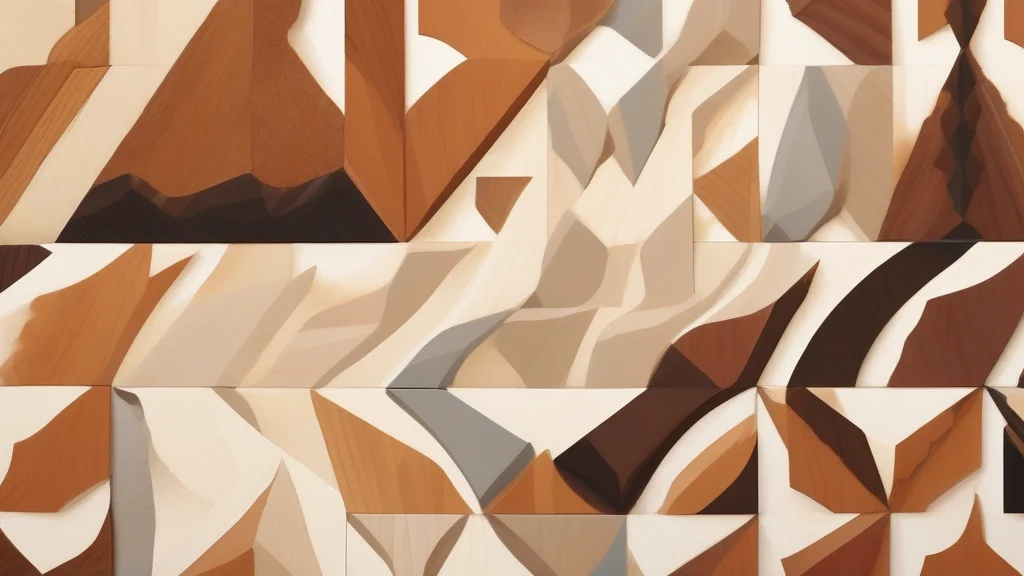
Marquetry is the art of creating decorative designs by fitting small pieces of wood, or sometimes materials such as ivory, metal, or stone, into the surface of an object. Contrasting colors and grains are carefully arranged to form figures, floral patterns, landscapes, or geometric motifs. The technique is especially associated with finely made furniture, cabinets, boxes, and architectural panels, although it can be applied to many other objects. Marquetry is valued for its precision, craftsmanship, and visual richness, and it can give an otherwise plain surface a distinctive appearance. In modern design, the term may refer either to the work itself or to the technique used to create it. It should not be confused with parquetry, in which geometric wooden shapes are arranged across a surface to make a patterned floor or decoration.
nounThe art or craft of making decorative designs by inlaid pieces of wood, often combined with other materials such as metal, ivory, or stone. The technique is commonly applied to furniture, cabinets, and decorative panels.
- The decorative art of applying pieces of wood or other materials to a surface to form ornamental designs.
- The technique or craft of making such inlaid decorative work.
"The desk was decorated with intricate floral marquetry in contrasting woods."
"A master cabinetmaker restored the marquetry on an eighteenth-century writing desk."
"Her presentation was notable for its elegant use of marquetry rather than painted decoration."
The plural is used when referring to separate examples or collections of marquetry, but the singular is generally preferred when discussing the craft as a whole.
"The exhibition includes marqueteries made by furniture makers from several European countries."
Marquetry turns contrasting grains and colors of wood into detailed images without sacrificing the structure of the object itself.
Reviewed by Deb Chak, Editor. AI-assisted content curated by RJS Tech Solutions LLP.
Where does marquetry come from?
Marquetry comes from French marqueterie, a word derived from marqueter, meaning “to mark” or “to ornament.” The French term entered English in the late 17th century and became associated especially with decorative woodwork. The underlying idea of marking or tracing also connects the word with the Germanic root represented in English by mark.
How marquetry is actually used
Marquetry is usually uncountable when referring to the technique or craft, although the plural marqueteries can be used for separate examples or collections of the work. It is most often associated with fine furniture and decorative objects, and the term can sound formal or historical in modern usage.
Easily confused with marquetry
Marquetry uses contrasting pieces of veneer to create pictorial or decorative patterns, whereas parquetry arranges geometric shapes of wood to form a surface design.