
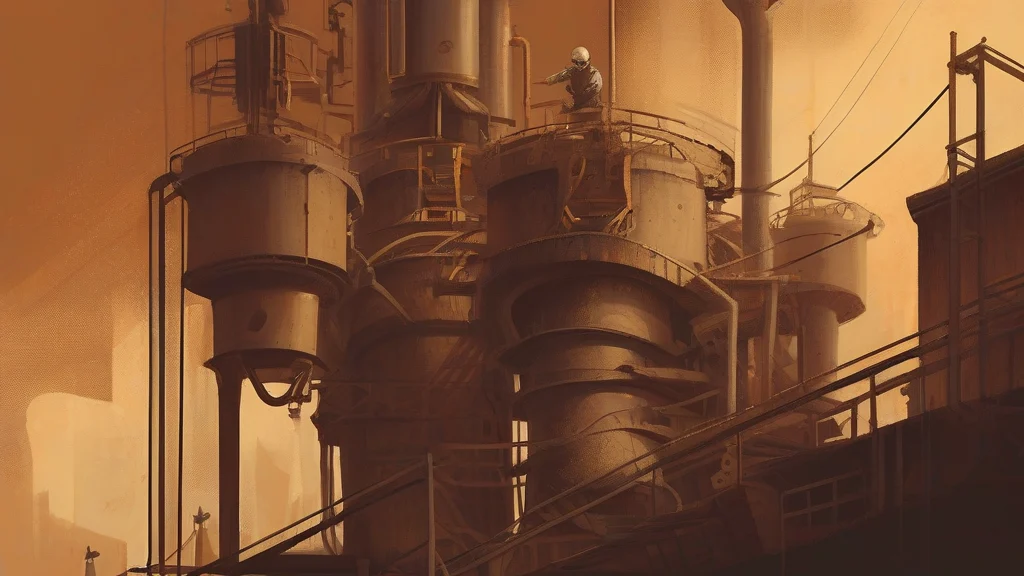
What does mechanization mean?
Mechanization is the process of introducing machinery and mechanical methods into work that was previously performed by people, animals, or less efficient systems. It is especially associated with the Industrial Revolution, when steam power and factory production transformed manufacturing, mining, transportation, and agriculture. In modern usage, the word can refer both to the act of converting a process to machine operation and to the broader social and economic shift that results from widespread machine use. Mechanization may carry a positive connotation of productivity, efficiency, and technological progress, but it can also suggest reduced employment, repetitive labor, or the displacement of traditional skills. The term is used in formal contexts including industrial history, agricultural policy, labor economics, and military strategy. It is distinct from automation, which more specifically involves systems or processes that operate with limited human intervention, often through automatic control and programmed machinery.
nounMechanization is the process of using machinery to perform work that was previously done by people or by nonmechanical methods. It can also refer to the resulting organization of production or activity around machines.
- The process of converting work or production to the use of machinery or mechanical methods.
- The widespread use of machines in industry, agriculture, military operations, or other organized activity.
"The mechanization of agriculture allowed farmers to cultivate much larger areas of land."
"The mechanization of the textile industry sharply increased output in the nineteenth century."
"Officers debated the effects of increased mechanization on modern warfare."
"The factory experienced steady mechanization, with more stages of production handled automatically."
The plural is grammatically possible but uncommon; the word is usually used as an uncountable singular noun.
"The study compares mechanizations of weaving across several regions."
Mechanization moved work from human hands to machines, transforming factories, farms, and warfare—and the way societies measure productivity.
Reviewed by Deb Chak, Editor. AI-assisted content curated by RJS Tech Solutions LLP.
Where does mechanization come from?
Mechanization belongs to the English word family of mechanism, mechanical, and mechanic, all of which ultimately derive from Greek mēkhanē, meaning “machine” or “device.” The English noun developed in the nineteenth century alongside the expanding use of machinery in industrial production. Its form reflects the widespread English pattern of forming a process noun with the suffix “-ization,” as seen in organization and modernization.
Related word forms
How mechanization is actually used
This is primarily a formal and technical noun, especially common in discussions of industry, agriculture, economics, and military affairs. The standard US spelling is “mechanization”; “mechanisation” is the usual British spelling.
Easily confused with mechanization
Mechanization is a process of introducing or increasing the use of machines, whereas a mechanism is a particular system, device, or structure that performs a function.