
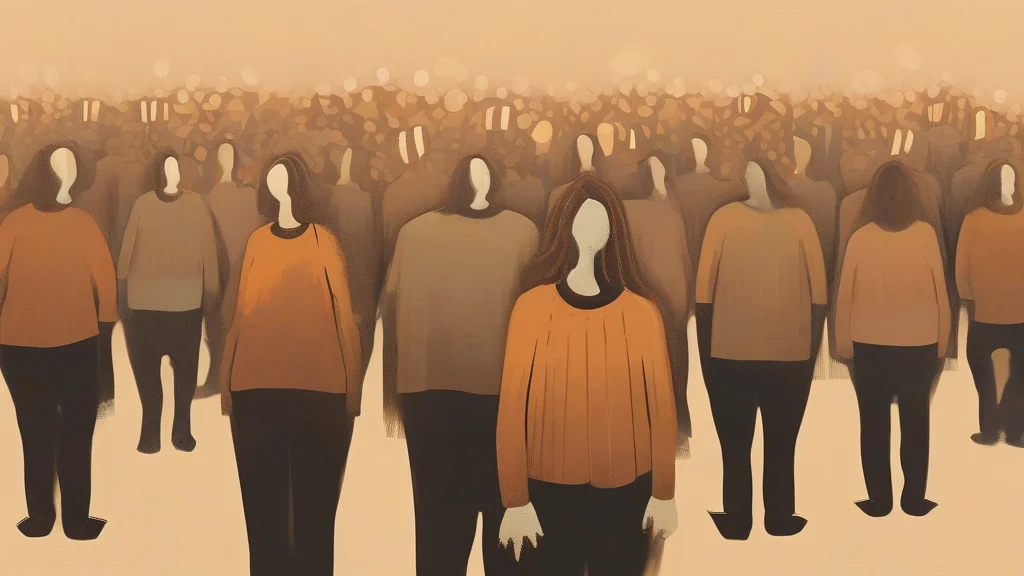
What does multiplicity mean?
Multiplicity means the condition of being multiple: numerous, varied, or made up of many parts and possibilities. In ordinary use, it can describe a large collection of people, objects, or circumstances, as in “a multiplicity of causes.” In academic and philosophical writing, it often emphasizes diversity or the number of distinct forms an idea, experience, or object can take. For example, a work of literature may be valued for the multiplicity of meanings it supports. The word is more formal than “many” and more suggestive of variety than “a large number.” It is especially useful when describing complex subjects in which several different forces, interpretations, or aspects interact, and it conveys the idea that a single explanation or perspective may not capture the whole picture.
nounThe state of being multiple or numerous; a large number or variety of things. It can also refer to the quality of having many different forms, aspects, or parts.
- The state of being multiple or numerous.
- A large number or range of similar or different things.
- The quality of having many forms, aspects, or interpretations.
"The multiplicity of perspectives in the debate made the discussion more complex than anyone had anticipated."
"The archive preserves the multiplicity of experiences described by its contributors."
"Her research addresses the multiplicity of social forces that shape public opinion."
The plural is used when referring to several distinct states, varieties, or forms of multiplicity.
"The novel explores the multiplicities of identity and belonging."
One word can carry more than one meaning—and that very multiplicity is what makes language endlessly creative.
Reviewed by Deb Chak, Editor. AI-assisted content curated by RJS Tech Solutions LLP.
Where does multiplicity come from?
Multiplicity comes from Latin multiplicitas, a noun formed from multus, meaning “many” or “much,” through the related form multiplicare, “to make many” or “multiply.” The word entered English in the 15th century and initially referred to the condition of being multiple. Its modern sense developed alongside the use of the related English words multiple and multiply.
How multiplicity is actually used
Formally worded and relatively uncommon in everyday speech, but common in academic, philosophical, and technical writing. It often suggests not merely a large number but a diversity of elements or possible interpretations.
Easily confused with multiplicity
Multiplicity refers to the state of being numerous or diverse, whereas multiplication is the process of multiplying a number or quantity.
Multiplicity generally emphasizes a large or diverse number of things, while plurality can also specifically mean the greater number or majority in a group.