
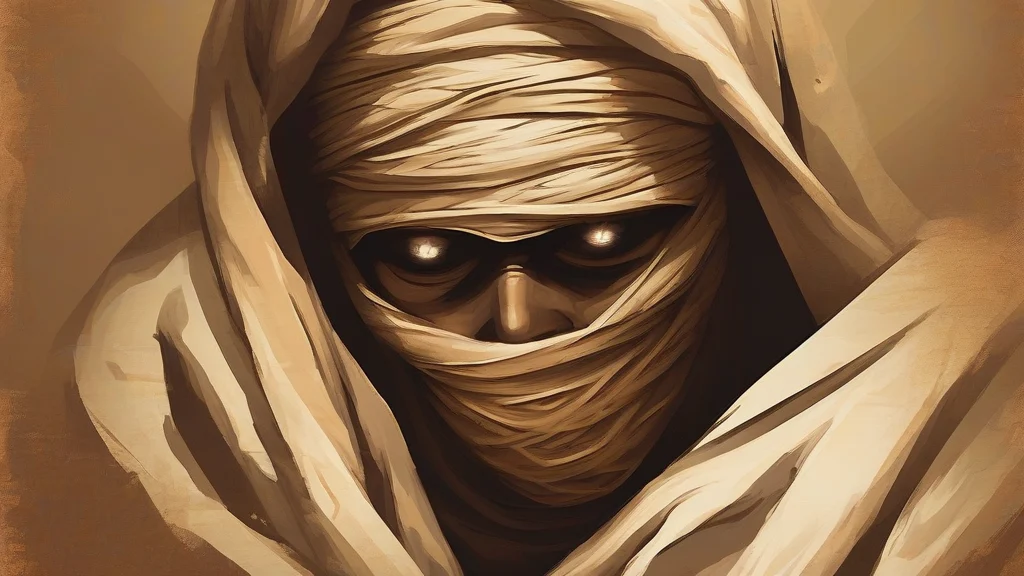
What does mummy mean?
A mummy is, in its best-known historical sense, the preserved body of a dead person, especially a person embalmed and dried according to ancient Egyptian custom. Such preserved bodies have long been major subjects of archaeological study and museum display. The word also has an affectionate informal meaning for a mother, particularly in British English and in the speech of children. In British food terminology, mummy can refer to dried or preserved fish or meat, a usage that is less familiar to many speakers. These distinct meanings are all standard, although context usually makes the intended sense clear. The word is especially memorable because it links everyday family language with one of the most recognizable categories of ancient Egyptian artifacts.
nounA mummy is a body that has been preserved after death, especially by the embalming and drying practices used in ancient Egypt. In British English, the word can also mean a mother, especially in the informal speech of a child; in British food usage, it can mean a dried material made from crushed or shredded fish or meat.
- The preserved body of a dead person, especially one prepared by the embalming and drying traditions of ancient Egypt.
- A mother, especially in the informal speech of children and in British usage.
- A dried food made from fish or meat, especially in British English.
"The museum displayed a beautifully preserved mummy in a glass case."
"The ancient Egyptian mummy was examined by archaeologists."
"When I was little, my mummy would read me a story before bed."
"The shop sells smoked mummy as a traditional food."
The standard plural is “mummies.” In the informal sense for a mother, it is less common in formal writing but follows the same plural form.
"The museum's archive contains photographs of several Egyptian mummies."
The word mummy comes from the same linguistic family as the mysterious Egyptian preserved bodies, while its affectionate meaning for a mother is a separate, entirely modern sense.
Reviewed by Deb Chak, Editor. AI-assisted content curated by RJS Tech Solutions LLP.
Where does mummy come from?
The sense meaning a preserved body comes through Arabic mummiya, from Persian mūmiyā, both ultimately associated with the Arabic root mumm, meaning “wax” or “bitumen,” in reference to substances used in embalming. The word entered European languages in connection with ancient Egyptian burial practices. Its separate informal sense for a mother arose later in British English, probably through nursery and family usage.
Related word forms
How mummy is actually used
The word for a preserved body is common in historical and archaeological contexts. The family sense is informal and often affectionate, particularly in British English and in children's speech. The food sense is chiefly British and should not be confused with the preserved-body meaning.
Easily confused with mummy
The word refers both to a preserved human body and, informally, to a mother; the intended sense usually depends on context.