
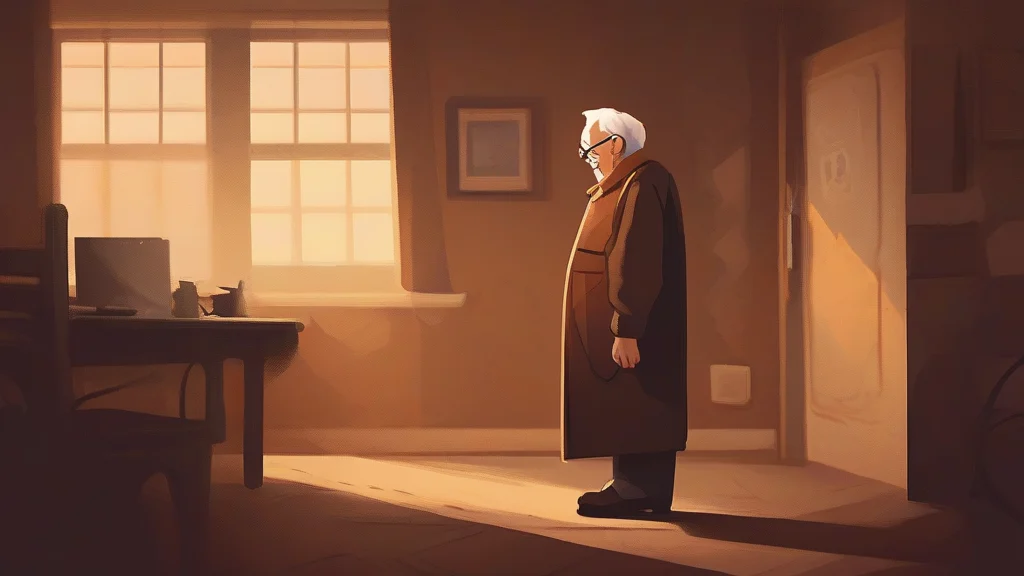
What does oldster mean?
An oldster is an elderly person, especially an older man. The word combines “old” with the suffix “-ster,” which forms words denoting people associated with a particular quality or role, as in “youngster.” It can be used neutrally, but its tone often depends on context: it may sound affectionate, humorous, nostalgic, or slightly patronizing. Oldsters are sometimes portrayed as experienced, established, and knowledgeable, especially in stories and informal writing. In ordinary conversation, “elderly person,” “senior,” or simply “old man” may sound more direct, while “old-timer” can express familiarity and warmth. The term is recognized in both British and American English, although it is more characteristic of British usage and informal or literary styles.
nounAn old or elderly person, especially an older man. The term may be affectionate, humorous, or mildly patronizing depending on context.
- An elderly person, especially an older man.
- A person who is old, experienced, or long-established, often viewed with affection or mild condescension.
"The oldster in the story proves that experience and curiosity can coexist."
"The oldster waved to us from the garden and invited us in for tea."
"In that novel, the young reporter learns a great deal from the local oldster."
"As an experienced oldster of the industry, she offered valuable advice to the team."
The usual plural form when referring to elderly people or multiple older men.
"The oldsters gathered around the fire to exchange stories."
With its affectionate, old-fashioned flavor, “oldster” is one of those words that can sound like a label and a compliment at the same time.
Reviewed by Deb Chak, Editor. AI-assisted content curated by RJS Tech Solutions LLP.
Where does oldster come from?
“Oldster” was formed in the 19th century by adding the productive suffix “-ster” to “old.” The suffix appears in several English words for people, including “youngster,” and follows a Germanic pattern of forming person-denoting nouns. The older English root behind “old” is related to “elder,” “eld,” and “eldest,” all of which reflect a Germanic word family associated with age and seniority.
Related word forms
How oldster is actually used
Informal and often mildly patronizing; it can also be used affectionately or humorously. It is more common in British English and in literary or nostalgic contexts than in everyday US usage.
Easily confused with oldster
“Elder” generally refers to an older or senior person, while “oldster” more explicitly labels someone as elderly and can sound affectionate, humorous, or patronizing.