
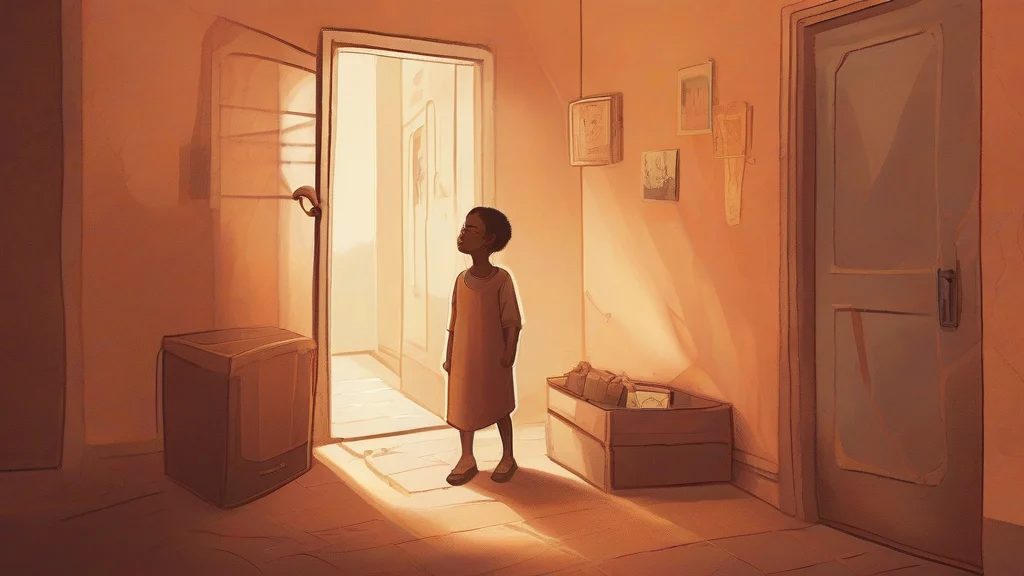
What does orphanhood mean?
Orphanhood means the condition of being an orphan, especially the situation of a child who has lost one or both parents. The word can refer both to a person's legal or social status and to the emotional and social experience of growing up without parental care. In literature and public discussion, orphanhood often carries associations with vulnerability, disrupted family life, economic hardship, and the search for security or belonging. It is different from orphanage, which names an institution rather than the condition itself. The term is formal and is most commonly applied to children and young people, although it can also describe the lasting effects of parental loss on adults. Understanding the word is useful because it focuses attention on both the personal and structural dimensions of parental bereavement.
nounThe state of being an orphan, especially the condition of having lost one or both parents while still young. It can also refer more broadly to the experience or social situation of children who have lost their parents.
- The state or condition of being an orphan.
- The experience of childhood or early life marked by the death or absence of one or both parents.
"She found that, despite the hardship of orphanhood, her childhood was filled with love and support from her extended family."
"Years of orphanhood left him with a strong desire to create a stable home for his own family."
"The novel explores a young girl's journey through orphanhood and her search for belonging."
The plural is grammatical but uncommon; it is used for separate instances or forms of orphanhood.
"The study compares the orphanhoods of children in different countries."
Orphanhood is not simply a label for a child who has lost a parent: it names a whole social and emotional condition, often shaped by poverty, stigma, and questions of belonging.
Reviewed by Deb Chak, Editor. AI-assisted content curated by RJS Tech Solutions LLP.
Where does orphanhood come from?
Orphanhood is formed within English by combining orphan with the suffix -hood, which forms nouns indicating a state, condition, or quality. Orphan itself comes through Old English and ultimately from Greek orphanos, meaning a child bereaved of one or both parents. The compound orphanhood is therefore a transparent English formation meaning 'the condition of being an orphan.'
Related word forms
How orphanhood is actually used
The word is formal and often carries emotional weight, particularly when describing the hardship or trauma associated with losing parents. It is more commonly used for a child's condition than for the broader experience of any bereaved adult.
Easily confused with orphanhood
Orphanhood is the state or condition of being an orphan, whereas an orphanage is an institution that provides care for children whose parents are unavailable or have died.