
What does oubliette mean?
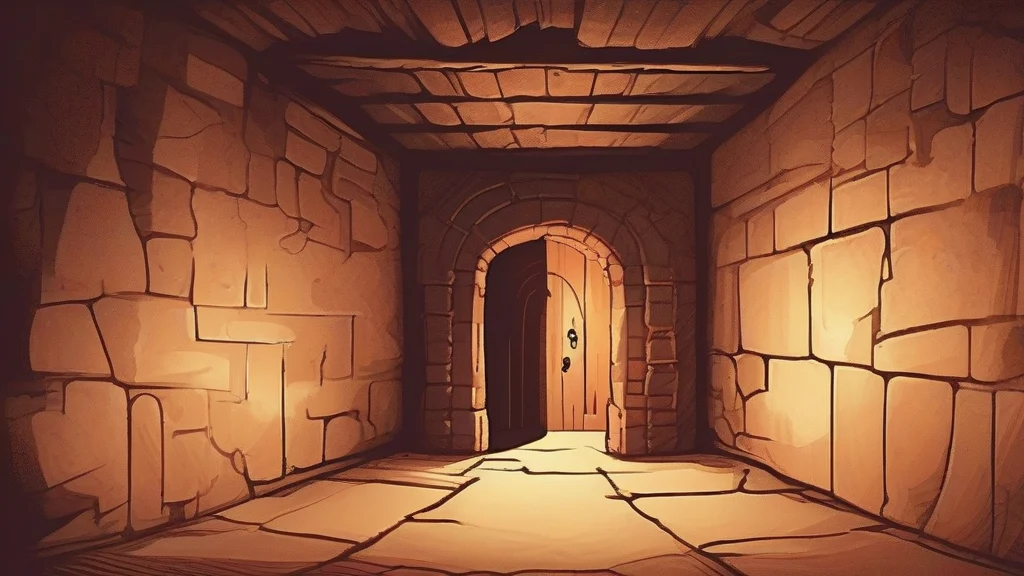
An oubliette is a concealed dungeon, especially one entered through a trapdoor, in which a prisoner might be held out of sight from everyone outside. The word is principally historical or literary today, although it can also be used figuratively for a deliberate attempt to erase a person from public life or memory. Its unusual force comes from its history and imagery: the prisoner did not merely face confinement but could become forgotten by the wider world. Writers use it where the secrecy of the prison, the power of whoever controls it, or the social disappearance of its occupant is especially important. In ordinary conversation, “dungeon” or “cell” is usually clearer, but “oubliette” adds a distinctly medieval and evocative shade of meaning.
nounA dungeon, especially one entered through a trapdoor, in which prisoners could be secretly confined. The term is now chiefly historical or literary.
- A dungeon or underground prison, especially one accessed through a trapdoor and used for secretly imprisoning people.
"The count was thrown into the castle's oubliette and forgotten by everyone but the king."
"Historians discovered remains in what may once have been an oubliette beneath the medieval fortress."
"Her disappearance from public life was described as a kind of political oubliette."
The plural is used when referring to multiple dungeons or places of confinement.
"The castle contained several oubliettes beneath its outer walls."
An oubliette literally meant a place of oblivion: prisoners confined there could vanish from the outside world as completely as if they had been forgotten.
Reviewed by Deb Chak, Editor. AI-assisted content curated by RJS Tech Solutions LLP.
Where does oubliette come from?
The word comes from French oubliette, a diminutive of oubli, meaning “forgotten,” with the sense of a place or person abandoned to oblivion. English borrowed it in the 16th century for a concealed prison, particularly one entered through a trapdoor. The French word ultimately draws on Latin oblitus, the past participle of obliscor, “to forget,” which also lies behind English words such as oblivion, oblivious, and obliterate.
How oubliette is actually used
This is a specialist historical and literary term. It is less usual in ordinary speech than 'dungeon' or 'cell' and may figuratively describe deliberate exclusion from public or political life.
Easily confused with oubliette
An oubliette is a place of confinement, whereas oblivion is the state of being forgotten or of failing to remember.
Oubliette is the standard English spelling;oubliette is a rare variant.