
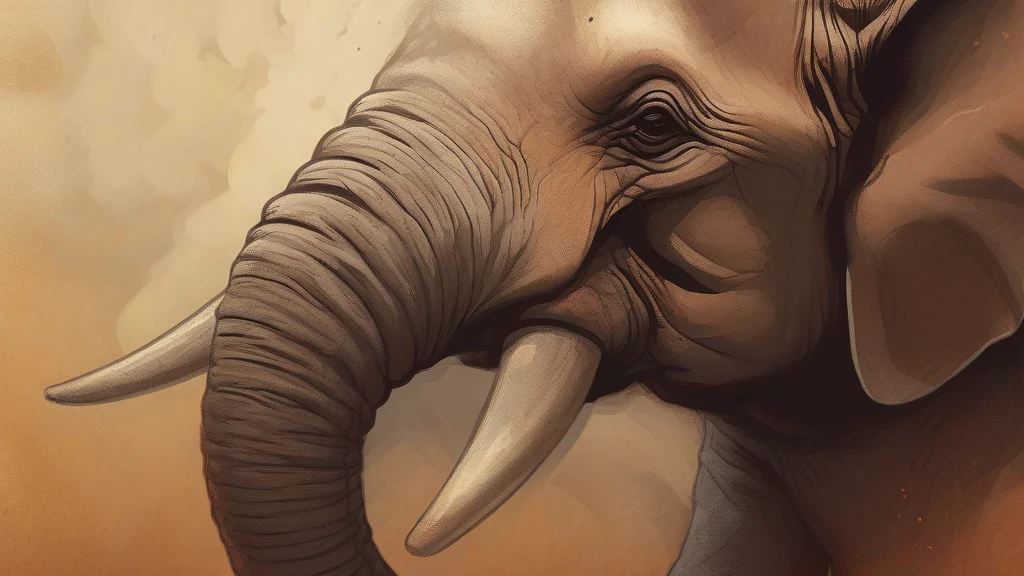
What does pachydermia mean?
Pachydermia is a medical and veterinary term for abnormal thickening of the skin. The condition may result from fibrosis, chronic edema, inflammation, or certain developmental abnormalities, and it can give the skin a dense, rigid, or leathery appearance. In human medicine, the word is relatively uncommon and is usually reserved for clinical descriptions; in veterinary science, it can refer to a congenital condition characterized by unusually thick skin. Pachydermia should not be confused with elephantiasis, which names a particular disease associated with severe swelling and tissue thickening, or with scleroderma, which is a specific autoimmune disorder. The word comes from Greek roots meaning “thick” and “skin,” and its specialized meaning reflects its long use in anatomical and veterinary description.
nounAbnormal thickening of the skin, especially when caused by fibrosis or chronic edema. The term is chiefly used in medicine and veterinary science.
- Abnormal thickening of the skin, especially due to fibrosis or chronic edema.
- In veterinary usage, a hereditary or developmental condition characterized by unusually thick skin.
"Repeated inflammation led to pachydermia around the patient's ankles."
"The biopsy showed pachydermia consistent with long-standing lymphedema."
"Congenital pachydermia was diagnosed in the young animal."
The plural is used when referring to separate cases or forms of the condition.
"Several forms of pachydermia were described in the affected animals."
Pachydermia combines the Greek roots for “thick” and “skin,” giving it a fittingly descriptive name for a condition in which the skin becomes unusually dense or leathery.
Reviewed by Deb Chak, Editor. AI-assisted content curated by RJS Tech Solutions LLP.
Where does pachydermia come from?
Pachydermia was formed in the 19th century from Greek pakhos, meaning “thick,” and derma or skin. Its underlying roots also appear in words such as pachyderm and pachydermatous. The term originally developed within scientific and medical writing before gaining a narrower modern use in clinical and veterinary contexts.
Related word forms
How pachydermia is actually used
This is a specialized medical and veterinary term rather than a general word for thick skin. It is more commonly encountered in technical writing than in everyday speech.
Easily confused with pachydermia
Elephantiasis is a specific disease involving severe swelling and thickening of tissues, often from parasitic infection, whereas pachydermia refers more generally to abnormal thickening of the skin.
Scleroderma is a particular autoimmune disorder characterized by hardened, thickened skin, while pachydermia is the broader medical term for skin thickening.