
What does pageantry mean?
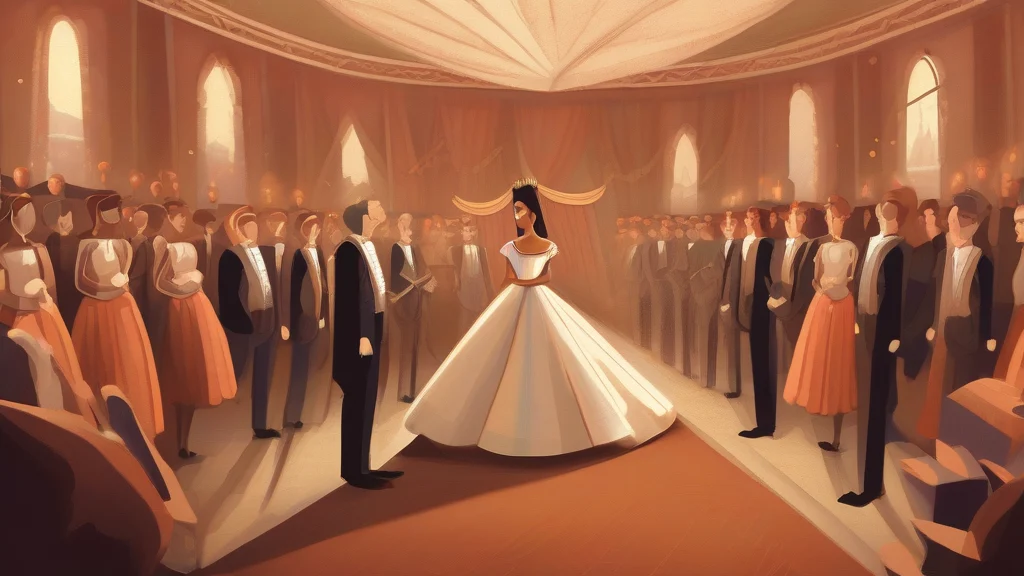
Pageantry names the colorful, elaborate spectacle surrounding a public ceremony, procession, festival, or other important occasion. It can refer to costumes, music, banners, ritual movement, stage effects, and the general atmosphere of pomp associated with an event. The word is often approving when it evokes tradition, artistry, and communal celebration, but it can also carry a critical implication that the display is ostentatious or excessive. In older usage, pageantry could mean a theatrical performance or entertainment, especially one presented with elaborate scenery and costumes; today, its dominant sense is the ceremonial display itself. A useful related distinction is that a pageant is an organized performance or presentation, while pageantry is the sumptuous spectacle that surrounds it. Pageantry appears in both British and American English and is especially associated with public rituals, historical reenactments, parades, courtly occasions, and festive cultural events.
nounAn elaborate and often colorful display of ceremony, costume, spectacle, or pomp, especially at a public or festive occasion. In its older sense, it refers to a theatrical performance or entertainment of a traditionally elaborate kind.
- An elaborate ceremonial or public display, especially one characterized by color, costume, procession, music, and pomp.
- A theatrical performance or entertainment of an elaborate or traditional kind, now chiefly a historical sense.
"The procession was a dazzling spectacle of music, costumes, and ceremonial pageantry."
"The festival opened with a rich display of folk costumes, music, and pageantry."
"The novel presents the pageantry of the royal court in vivid and often ironic detail."
The plural is used when referring to distinct examples or varieties of elaborate public display.
"The two national pageantries draw on very different traditions."
What begins as a procession can become pageantry: a grand choreography of color, ritual, music, and spectacle.
Reviewed by Deb Chak, Editor. AI-assisted content curated by RJS Tech Solutions LLP.
Etymology of pageantry
Pageantry entered English in the late sixteenth century through French pageanterie, a word formed from pageant. Pageant originally referred to a theatrical scene or entertainment, so the word initially developed within the language of public performance and elaborate display. Its modern emphasis is on the spectacle and ceremony associated with such events, while the older theatrical sense survives in historical descriptions of pageantry.
How pageantry is actually used
Pageantry is commonly used in a formal or descriptive register. It often suggests visual splendor and ceremonial splendor, but it can also be used critically to imply ostentation, extravagance, or theatrical display without substance.
Easily confused with pageantry
A pageant is a theatrical or ceremonial performance, whereas pageantry is the colorful display and spectacle associated with such events.
A pantomime is a theatrical performance using gestures and exaggerated acting, while pageantry refers more generally to elaborate ceremonial or public display.