
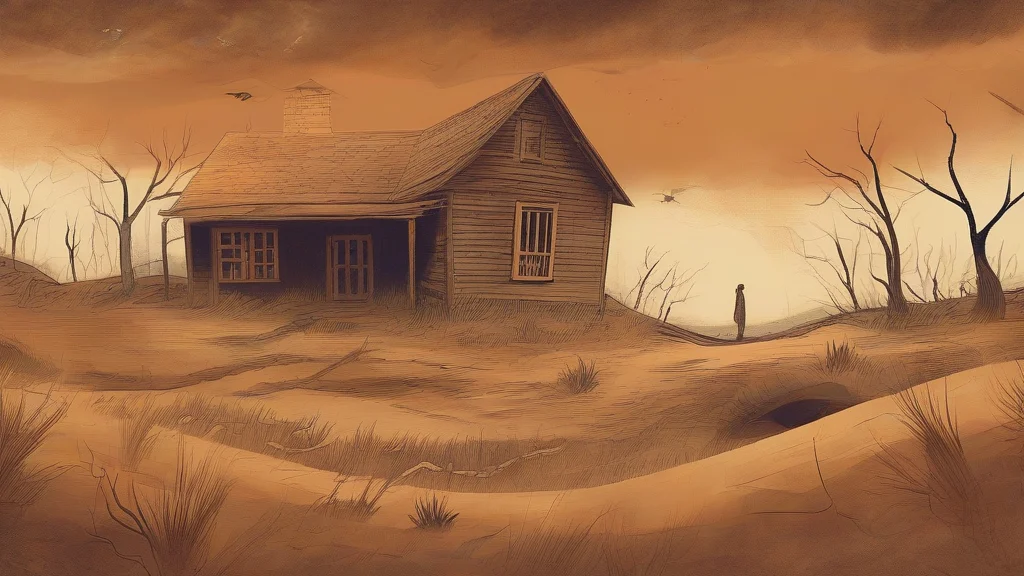
What does paranormal mean?
Paranormal is an adjective meaning outside or beyond ordinary laws of nature, accepted scientific explanation, or familiar experience. It is commonly applied to alleged ghosts, psychic phenomena, strange experiences, and unexplained events, as in “paranormal activity” or “paranormal investigation.” The term often carries an association with investigations, eyewitness reports, and popular claims about the supernatural, so it may sound less neutral than “unexplained” or “unusual” in careful discussion. As a noun, “the paranormal” refers collectively to such phenomena or forces. The word is formed from the combining form para-, meaning “beside” or “beyond,” and normal, making its central idea straightforward: something situated beyond what is regarded as normal. It is useful when discussing beliefs and reported experiences precisely, especially when distinguishing a claim from a verified conclusion.
Existing outside or beyond ordinary laws of nature or accepted scientific explanation; relating to alleged supernatural or unexplained phenomena.
"The researchers collected recordings of alleged paranormal voices."
Often used to describe claims, reported experiences, or alleged phenomena rather than scientifically established facts.
Phenomena or forces regarded as existing beyond ordinary laws of nature or accepted scientific explanation.
"The documentary explored the paranormal through eyewitness accounts and archival evidence."
Usually used in the singular form “the paranormal” as a collective noun; a distinct plural is not standard in general use.
As a collective noun, “the paranormal” is normally used without a plural. Plural forms such as “paranormals” are not standard in general usage.
"The documentary examined the paranormal from a skeptical perspective."
The word paranormal means “beside the normal,” a fitting label for experiences that claim to sit just beyond ordinary explanations.
Reviewed by Deb Chak, Editor. AI-assisted content curated by RJS Tech Solutions LLP.
Where does paranormal come from?
“Paranormal” was formed in the 19th century from the combining form para-, meaning “beside” or “beyond,” and normal. Its development reflects the period’s interest in classifying experiences that appeared to lie beyond ordinary natural laws. The word belongs to a family based ultimately on Latin norma, meaning rule or standard, through normal and its derivatives.
Related word forms
How paranormal is actually used
The adjective is usually used with events, phenomena, experiences, activity, or entities. It commonly describes claims or alleged occurrences and can sound informal, sensational, or associated with paranormal investigation when used in headlines. In careful academic writing, it is often preferable to specify the claim or evidence rather than treat an explanation as established.
Easily confused with paranormal
Paranormal usually refers to events or experiences claimed to defy ordinary laws or scientific explanation, whereas supernatural often specifically suggests spiritual beings or forces beyond nature.
Paranormal is a broader descriptive term, while occult more often refers to hidden or esoteric knowledge, practices, or traditions.