
What does parleyed mean?
“Parleyed” is the past tense and past participle of the verb “parley,” meaning to hold talks or negotiate, especially with an enemy or opposing party. In its most characteristic use, the word evokes a formal exchange conducted during conflict or immediately after a battle, often under a flag of truce. “Parleyed” can therefore suggest diplomacy, negotiation, and the careful bargaining of adversaries, although it may also be used more broadly for serious discussion. The word is somewhat literary and historical in tone, making it less common in everyday speech than “negotiated” or “talked.” Its distinctive value lies in preserving the sense of communication as an act of diplomacy between potentially hostile parties. Seeing the word in a sentence often signals that the meeting is consequential, formal, and concerned with reaching terms or resolving a conflict.
verbEngaged in a parley, especially by talking or negotiating with an enemy or opponent in order to reach an agreement. The term can also refer more generally to conferring or discussing terms.
- To talk or negotiate with an enemy or opponent, especially in order to arrange peace, an exchange, or other terms.
"The two commanders parleyed under a flag of truce before agreeing to an exchange of prisoners."
"The diplomat parleyed with the rebel representatives for several hours."
"After the battle, the victors and the defeated leaders parleyed before dawn."
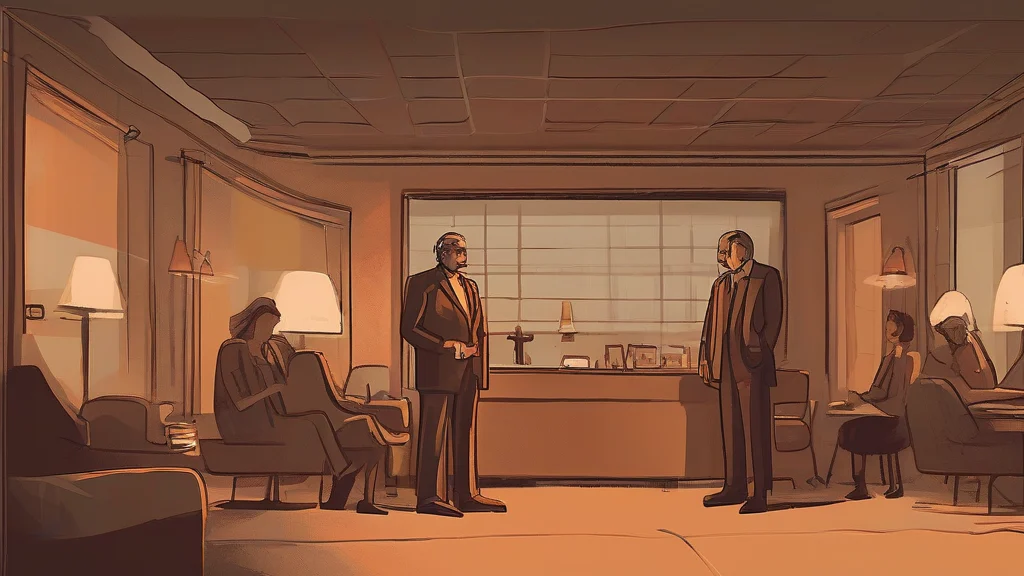
From the battlefield to the negotiating table: “parleyed” carries the atmosphere of formal talks between adversaries.
Reviewed by Deb Chak, Editor. AI-assisted content curated by RJS Tech Solutions LLP.
Where does parleyed come from?
“Parleyed” comes from the English verb “parley,” which entered Middle English from Old French “parler,” meaning “to speak” or “talk.” The Old French word was borrowed from Latin “parlare,” with the same general meaning. English relatives such as “parlance,” “parlor,” and “parlour” preserve this speaking-related origin.
Related word forms
How parleyed is actually used
Chiefly formal, literary, or historical. It is often associated with negotiations between enemies and may sound dated in ordinary modern conversation.