
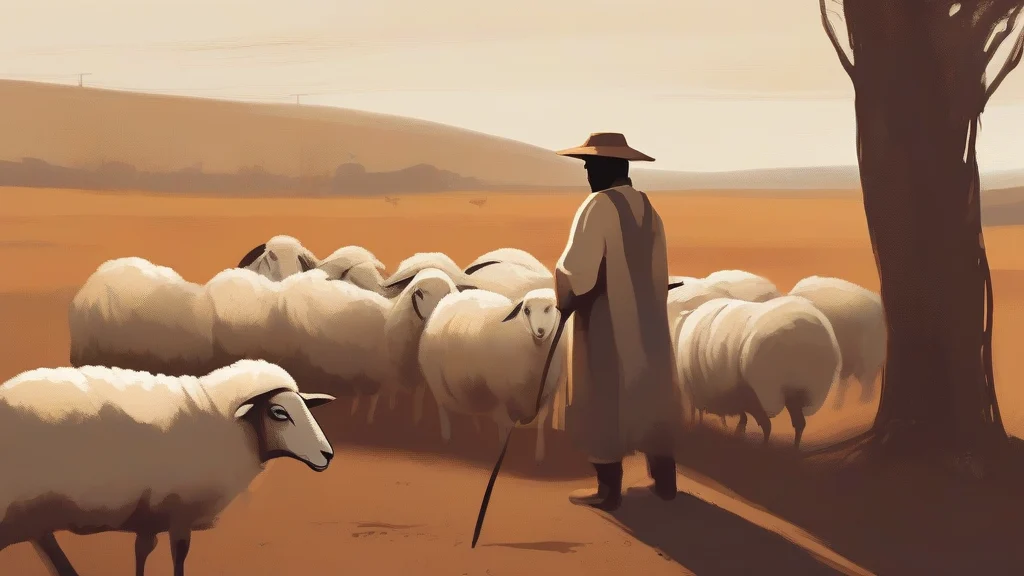
What does pastoralist mean?
A pastoralist is a person whose livelihood and way of life centre on herding livestock. Pastoralists commonly keep animals such as sheep, goats, cattle, camels, reindeer or yaks, obtaining food, income and other resources from them. In many regions, herding involves seasonal movement as herds are taken to different grazing areas, although pastoralists are not necessarily nomadic. The word is especially common in geography, anthropology, history and studies of rural development, where it can identify both an individual and a wider pastoral community. It is broader than the everyday term “shepherd,” which usually implies someone tending a particular flock, and it should not be confused with “pastor,” a minister of a religious congregation. While some pastoralists own substantial herds, others may depend on a small number of animals and combine herding with other activities. The term is therefore most useful as a social and economic designation rather than simply a job title.
nounA person whose livelihood and way of life depend primarily on herding livestock, often moving seasonally to find pasture. The term may also refer collectively to people belonging to a pastoral society.
- A person who herds livestock as a primary source of income, often following seasonal pasture and using grazing animals for milk, meat, hides or other products.
"The pastoralist led his goats across the dry uplands in search of fresh grazing."
"Nomadic pastoralists move their herds according to the seasons and the availability of pasture."
"The exhibition examines how colonial land policies affected pastoralist communities in the region."
The regular plural is formed by adding -s. The plural can refer to multiple individuals or collectively to members of a pastoral society.
"Local pastoralists organize collectively to negotiate access to grazing land."
A pastoralist's herd can be livelihood, property, status and the foundation of an entire way of life.
Reviewed by Deb Chak, Editor. AI-assisted content curated by RJS Tech Solutions LLP.
Where does pastoralist come from?
The word was formed in English from pastoral plus the suffix -ist, meaning a person associated with a particular practice or way of life. Its deeper roots lie in Latin: pastoralis was derived from pastor, meaning “shepherd,” which in turn came from pascere, “to feed.” Through these roots, pastoralist remains connected to the older English traditions of pastoral life and animal husbandry.
How pastoralist is actually used
The term is common in geography, anthropology, history and development studies. It may describe an individual or, collectively, a community organized around livestock herding, and is sometimes contrasted with settled agriculturalists.
Easily confused with pastoralist
A pastor is a religious leader who tends a congregation, whereas a pastoralist derives a livelihood from herding livestock.