
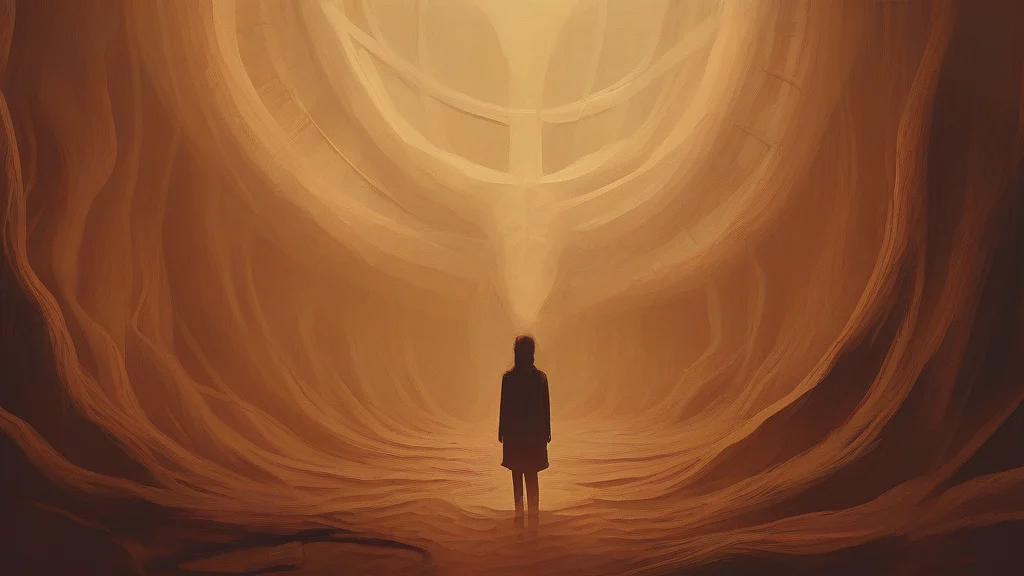
What does phantasmagory mean?
A phantasmagory is a shifting, often dreamlike procession of images or scenes that creates an impression of unstable reality. The word can describe a literal visual effect, such as projected pictures, reflections, or rapidly changing tableaux, and it can also characterize a confusing public spectacle, especially one marked by exaggeration, spectacle, or apparent deception. Its connotations are generally mysterious, theatrical, and faintly unsettling rather than merely attractive. A phantasmagory differs from an ordinary display because its components blur or contradict one another, producing a sense of fantasy and disorientation. The term is consequently found in literary criticism, descriptions of art and entertainment, and political commentary, where it conveys the idea of an overwhelming sequence that may conceal the underlying reality.
nounA rapidly changing sequence of strange, dreamlike, or distorted images that creates an illusory and often disorienting effect. Figuratively, it refers to a confusing, extravagant, or theatrical spectacle.
- A dreamlike sequence of rapidly changing, distorted, or illusory images.
- A confused, extravagant, or disorienting spectacle.
"The exhibition unfolded into a dazzling phantasmagory of projected figures, swirling light, and distorted reflections."
"The film presents its fading memories as a phantasmagory of fragmented images and overlapping voices."
"Critics dismissed the political convention as a phantasmagory of promises and theatrical gestures."
The plural is formed by adding -ies to the final -y.
"The novel's shifting identities create several overlapping phantasmagories of memory."
Magic-lantern shows filled with ghostly projections helped give the word its enduring association with a hypnotic parade of impossible images.
Reviewed by Deb Chak, Editor. AI-assisted content curated by RJS Tech Solutions LLP.
Where does phantasmagory come from?
The word entered English in the late 16th century through Latin from Greek phantasmagoria, a term associated with the staging of apparitions. The Greek compound is generally understood to connect phantasma, meaning an apparition or mental image, with agora, meaning an assembly or gathering. Its early English sense was associated with fantastic displays, and later it came to denote any bewildering succession of images or events.
Related word forms
How phantasmagory is actually used
The word is formal and literary, with a strong suggestion of strangeness, instability, and visual confusion. It is often used critically of spectacles that seem designed to overwhelm or deceive.
Easily confused with phantasmagory
A phantasm is a single apparition or imagined vision, whereas a phantasmagory is a changing sequence or spectacle of such images.