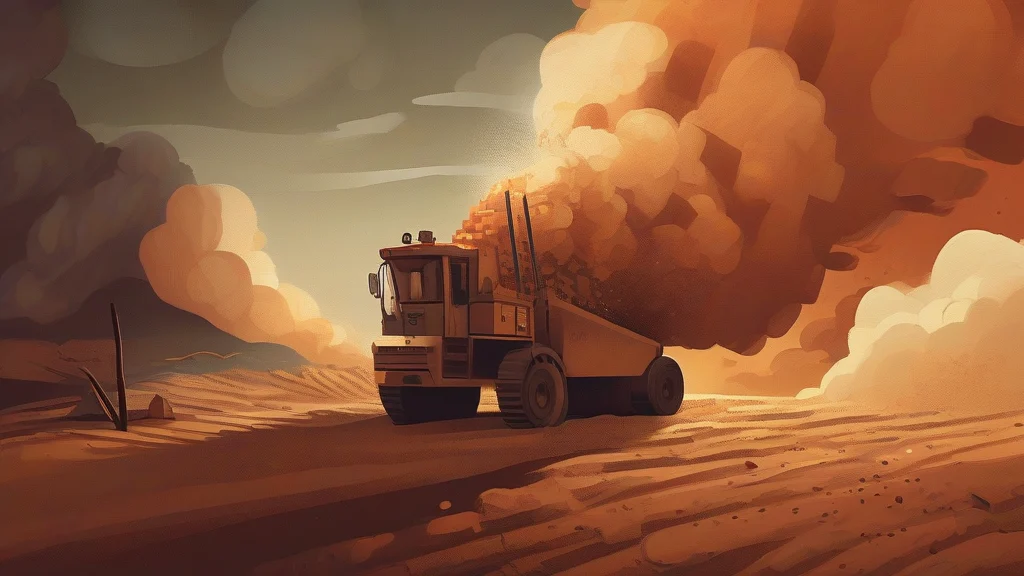
What does pulverization mean?
Pulverization refers to the process of reducing a material to a fine powder or dust, often through mechanical means such as crushing or grinding. This can be applied to various materials, including coal, rocks, or minerals. In a broader sense, pulverization can also describe the complete destruction or defeat of something, such as a company's financial collapse. The term is commonly used in industries like mining, construction, and manufacturing. Understanding pulverization is essential for optimizing processes and achieving desired material properties. The concept of pulverization has practical applications in various fields, making it a useful term to know.
nounThe process of being reduced to a fine powder or dust, often through crushing, grinding, or milling. Pulverization can also refer to the state of being completely destroyed or defeated.
- The act or process of pulverizing
- The state of being pulverized
"The coal was subjected to pulverization in a mill to increase its surface area for burning."
"The impact of the hammer caused pulverization of the rock."
"The company's financial troubles led to the pulverization of its stock value."
The plural form is used to describe multiple instances or processes of pulverization.
"The factory performed several pulverizations of coal per day to meet energy demands."
Reviewed by Deb Chak, Editor. AI-assisted content curated by RJS Tech Solutions LLP.
Etymology of pulverization
The term pulverization originates from the Latin word 'pulverizare', which means 'to reduce to powder'. This Latin term is derived from 'pulvis', meaning 'dust' or 'powder'. The word pulverization has been used in the English language since the 15th century, initially referring to the process of reducing substances to a fine powder.
How pulverization is actually used
Pulverization often refers to a physical process, but can also be used metaphorically to describe complete destruction or defeat.