
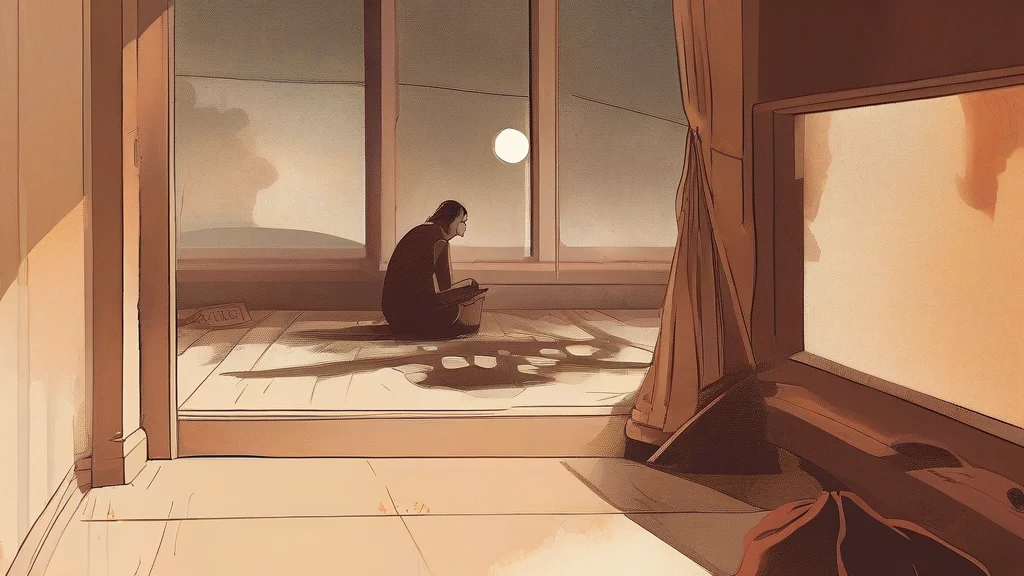
What does rankling mean?
A rankling is a persistent, uncomfortable feeling of irritation, resentment, or unease, often associated with injustice, a grievance, or lingering suspicion. The adjective rankling can describe the feeling itself, as in a rankling sense of betrayal, or something that causes such discomfort, as in a rankling doubt. Its vividness comes from the idea of gnawing at someone: the problem may appear minor, but it remains irritating and difficult to dismiss. In everyday speech, people may simply say that something is annoying or that it bothers them, but rankling conveys a deeper, more persistent emotional unease. The term is especially common in formal prose, literary contexts, and discussion of personal or social grievances. It is also often used figuratively, including for suspicions and memories that continue to trouble a person after the immediate cause has passed.
A persistent, gnawing feeling of irritation, resentment, or unease.
"The accusation left a rankling that lasted for months."
Often used figuratively for a grievance, suspicion, or sense of injustice that remains troubling.
Describing a feeling or issue that causes persistent irritation or unease.
"He could not ignore the rankling doubts about the proposal."
Common in figurative expressions involving injustice, suspicion, resentment, or unpleasant memories.
The plural is uncommon; the word is usually used in the singular or in fixed expressions such as a rankling sense of injustice.
"The old disagreement remained one of the rankling memories of his career."
A rankling works like a splinter: small, persistent, and impossible to ignore.
Reviewed by Deb Chak, Editor. AI-assisted content curated by RJS Tech Solutions LLP.
Where does rankling come from?
Rankling is formed from the English word rankle by adding the present participle ending -ing. Rankle survives chiefly as a verb meaning to irritate or cause persistent unease and is now more literary in ordinary use. The longer word rankling preserves the same sense of discomfort while also functioning as an adjective.
How rankling is actually used
Rankling is somewhat literary and emotionally coloured. It usually implies discomfort that persists because the cause has not been resolved, while the related adjective can describe the feeling itself or the matter causing it.
Easily confused with rankling
A ranking is a position in a hierarchy, whereas a rankling is a persistent feeling of irritation, resentment, or unease.