
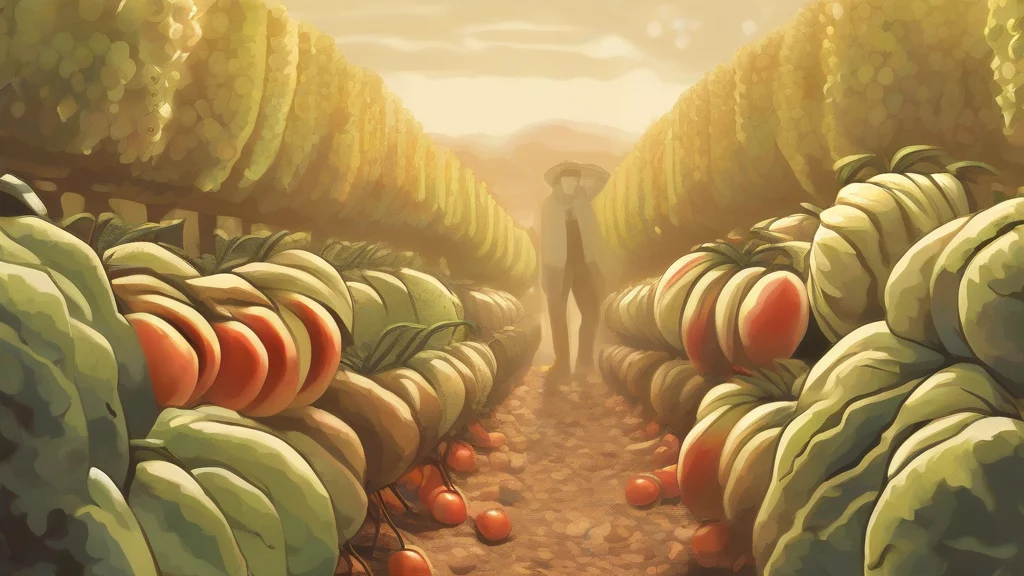
What does ripening mean?
Ripening means the process of becoming ripe, or of moving gradually toward maturity and full development. Most commonly, it describes fruit, vegetables, cheese, and other foods as they become ready to eat, but it can also apply metaphorically to talents, plans, ideas, and people developing over time. The phrase “ripening fruit” is typical of the literal sense, while expressions such as “ripening skills” use the word in a figurative, generally positive way. The term often implies gradual change rather than a sudden event. It can carry a warm, productive connotation when applied to personal growth, suggesting that time and experience are bringing something to its best form. In contrast, “unripe” and “immature” describe something that has not yet reached the relevant stage.
Becoming ripe or approaching ripeness; developing toward maturity or full development.
"The ripening tomatoes should be ready within a week."
The adjective is especially common before food and agricultural produce, such as “ripening fruit,” “ripening cheese,” and “ripening crops.”
To become ripe or mature, especially through a gradual process.
"The cheese ripens slowly in a cool cellar."
This is normally intransitive. Figurative use, as in “her talents ripened,” suggests gradual personal or intellectual development.
The process of becoming ripe or mature.
"The gradual ripening of the fruit improves its flavor."
Usually used as “the ripening of something,” and normally treated as an uncountable process noun.
The plural is rare and is used mainly for separate instances or stages of the process.
"Each ripening was marked by a change in color and fragrance."
Ripening is the transformation that turns fruit sweet, cheese mellow, and a young idea into mature insight.
Reviewed by Deb Chak, Editor. AI-assisted content curated by RJS Tech Solutions LLP.
Where does ripening come from?
“Ripening” comes from the Old English word “rīpan,” meaning “to become ripe,” with the present participle formed in the usual English way by adding “-ing.” The family includes “ripe,” “ripen,” “ripeness,” and “unripe.” Related forms appear in other Germanic languages, including Dutch “rijpen” and German “reifen,” both meaning “to ripen.”
Related word forms
How ripening is actually used
In its most literal sense, the word is used of food and agricultural produce. It can also describe a person, talent, plan, or idea becoming mature, usually with a gradual or developmental sense.
Easily confused with ripening
Ripe means already ready to eat or otherwise fully developed, whereas ripening describes the process of becoming so.