
What does roughneck mean?
A roughneck is someone regarded as rough, aggressive, badly mannered, or deliberately intimidating. The word has an informal, disparaging tone and is commonly used for a troublemaker, bully, or hooligan, particularly in stories about street life, schools, or gang culture. It can also describe a person engaged in strenuous manual work, though this older sense is now much less common. In contemporary usage, “roughneck” usually emphasizes coarse behavior rather than physical strength alone: a person may be called a roughneck for being loud, threatening, or insensitive. The expression can occasionally be used more playfully, especially when describing a mischievous or boisterous character, but it generally carries negative connotations.
nounA rough, boorish, or impudent person, especially one who behaves in a loud, aggressive, or threatening manner.
- A boorish, aggressive, or impudent person.
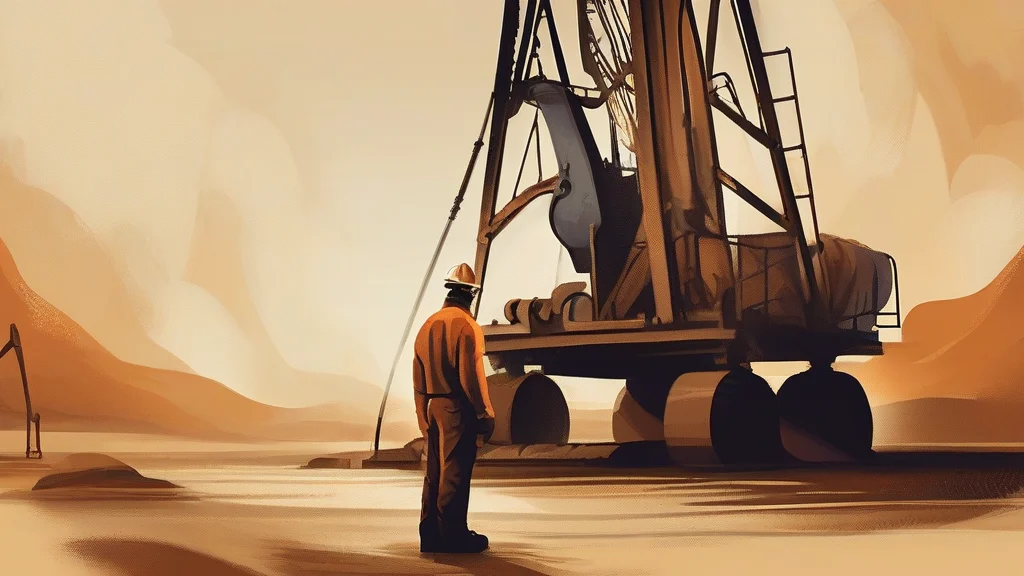
- A person who performs hard or rough manual work.
"The neighborhood roughneck backed away when he realized the other boys were not afraid of him."
"He was a roughneck who intimidated anyone who crossed his path."
"The old film portrayed the young roughneck as a fearless worker in a dangerous trade."
The plural is used for multiple people regarded as rough, aggressive, or boorish.
"The roughnecks were warned not to return to the neighborhood."
“Roughneck” literally suggests a tough neck, but modern usage is less about physical toughness than about badly behaved people.
Reviewed by Deb Chak, Editor. AI-assisted content curated by RJS Tech Solutions LLP.
Where does roughneck come from?
“Roughneck” is an American compound formed from “rough” and “neck.” It appeared in the nineteenth century, initially referring to a person who performed rough manual labor and later to someone with a violent or threatening manner. Its development reflects a figurative sense of the neck as a sign of physical toughness, although the precise origin of that particular image is not certain.
How roughneck is actually used
Informal and often mildly disparaging. The modern sense is especially common in North American English; the sense referring to a manual laborer is older and less frequent.