
What does scraggly mean?
Scraggly describes something conspicuously thin, lean, or wiry, especially when its outline also seems irregular, untidy, or insufficiently filled out. A person might be called scraggly, while a dog, plant, hedge, or branch can all be described as scraggly. The word often conveys more than simple thinness: a scragly beard looks sparse and uneven, and scraggly limbs suggest leanness or frailty. Nevertheless, its force depends on context. It can be neutrally descriptive when applied to vegetation or an animal’s natural build, but it can sound disparaging when used about a person, since it may imply poor nourishment or neglect. Scraggly is related in meaning to scrawny and scraggy, though it tends to combine leanness with a rough or irregular appearance. It is most useful when the speaker wants to evoke both thinness and a somewhat ragged, unkempt quality.
adjectiveThin, lean, or scrawny, especially in a way that appears irregular, untidy, or poorly nourished.
- Thin, lean, or scrawny, especially in a way that appears irregular, untidy, or poorly nourished.
"A scraggly old dog appeared at the gate, its ribs clearly visible beneath its matted coat."
"The old shepherd's scragly grey beard almost reached the ground."
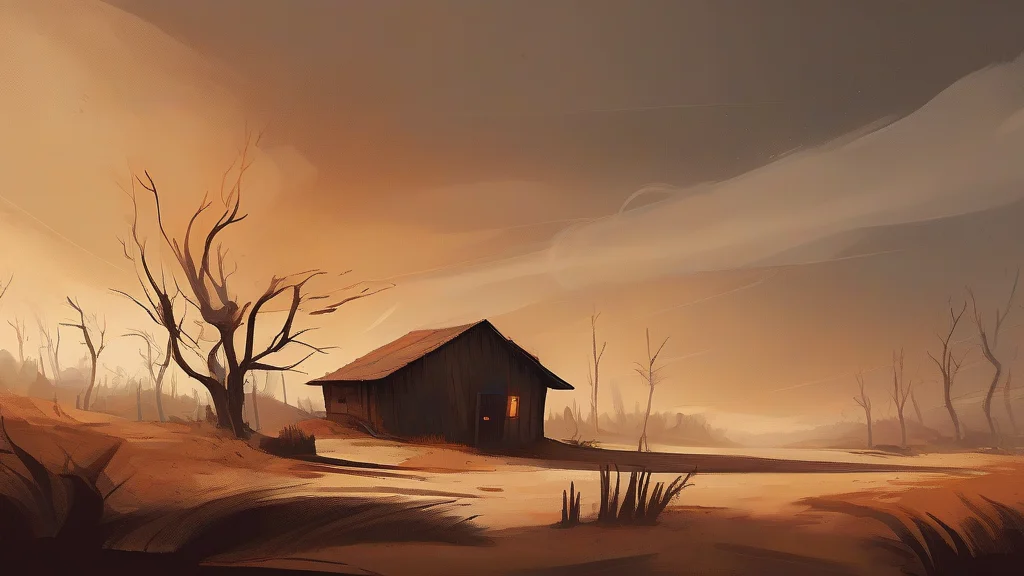
"After months of drought, the hedges consisted of scraggly, dust-coloured branches."
Scaggy can describe a rough surface; scraggly describes a lean form, as though the branches or beard have grown without enough to fill it out.
Reviewed by Deb Chak, Editor. AI-assisted content curated by RJS Tech Solutions LLP.
Where does scraggly come from?
Scraggly was formed in English from scraggy, an earlier adjective meaning thin or lean, with the suffix -ly adding a further sense of a characteristic or somewhat diminished quality. Scraggy is itself connected with scrag, an English word for a thin person or animal, although the remote origin of that older word is uncertain. The resulting form has continued to carry the association of leanness combined with an irregular or unkempt appearance.
Related word forms
How scraggly is actually used
The adjective is sometimes depreciative because it can imply neglect or poor physical condition, though it is also used neutrally for naturally sparse vegetation or a wiry animal. It is less common and more informal than scrawny or gaunt.
Easily confused with scraggly
Both can describe someone or something thin, but scrawny emphasizes leanness or inadequate nourishment, whereas scraggly often adds a suggestion of irregularity, untidiness, or roughness.