
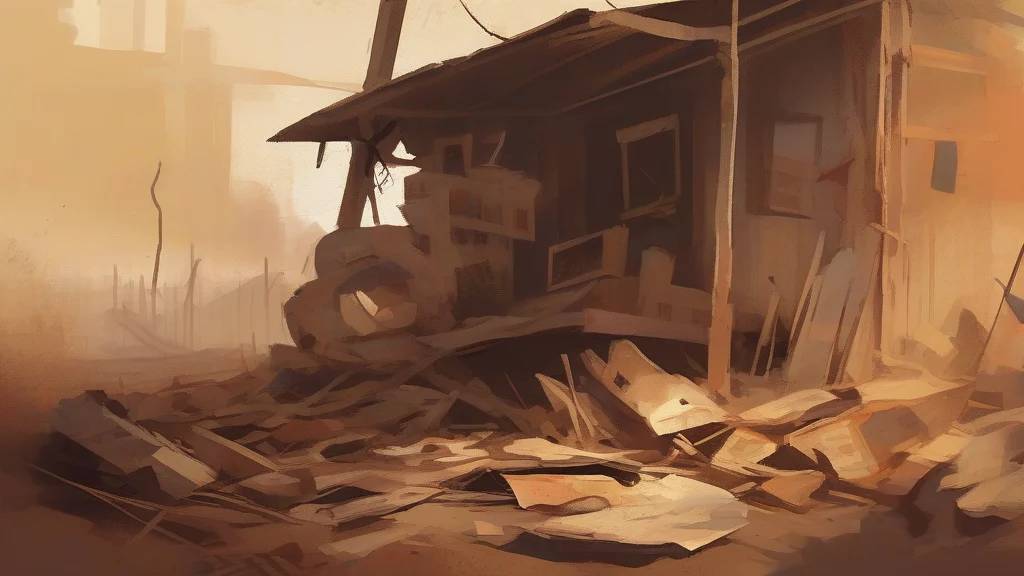
What does scrappiness mean?
Scrappiness names an untidy, somewhat ragged, or disorganized condition, especially in writing, documents, or practical work. It can also describe a person or team characterized by determination, resilience, and a readiness to compete. The word therefore has two contrasting emotional associations: in the first sense, it suggests disorder and unfinished quality; in the second, it conveys energetic resistance and admirable fighting spirit. A careless desk, for example, may be described as scrappy, while a small team that refuses to concede may be praised for its scrappiness. Although its everyday use is informal, scrappiness can add color to otherwise plain descriptions of messy work or forceful personalities. The more favorable character sense is especially common in British and American English, though its frequency and intensity vary by context.
The condition or quality of being untidy, ragged, or disorganized.
"He accepted the scrappiness of the draft and focused on improving its substance."
Often informal and mildly critical, particularly when describing writing, rooms, or organization.
A determined, combative, or resilient quality of character.
"Their scrappiness in the final quarter turned a difficult match into a win."
Rare; this noun is normally used in the singular or with a determiner such as a degree of scrappiness.
"The magazine discusses several different scrappinesses within the same artistic movement."
Scrappiness can describe both a cluttered desk and a determined underdog—sometimes the same person needs both qualities.
Reviewed by Deb Chak, Editor. AI-assisted content curated by RJS Tech Solutions LLP.
Etymology of scrappiness
The word was formed from the adjective scrappy by adding the suffix -ness, which turns a quality into a noun. Scrappy itself developed in the early nineteenth century and is generally connected with scrap in the sense of small pieces or fragments; it later also came to describe a contentious or determined person. Related forms such as scrap, scraps, and scrapping preserve the older connection with pieces and discarded material.
Related word forms
How scrappiness is actually used
When describing untidiness, the word is often informal and mildly critical. When describing character, it usually carries a positive connotation of tenacity, resourcefulness, and unwillingness to give way.