
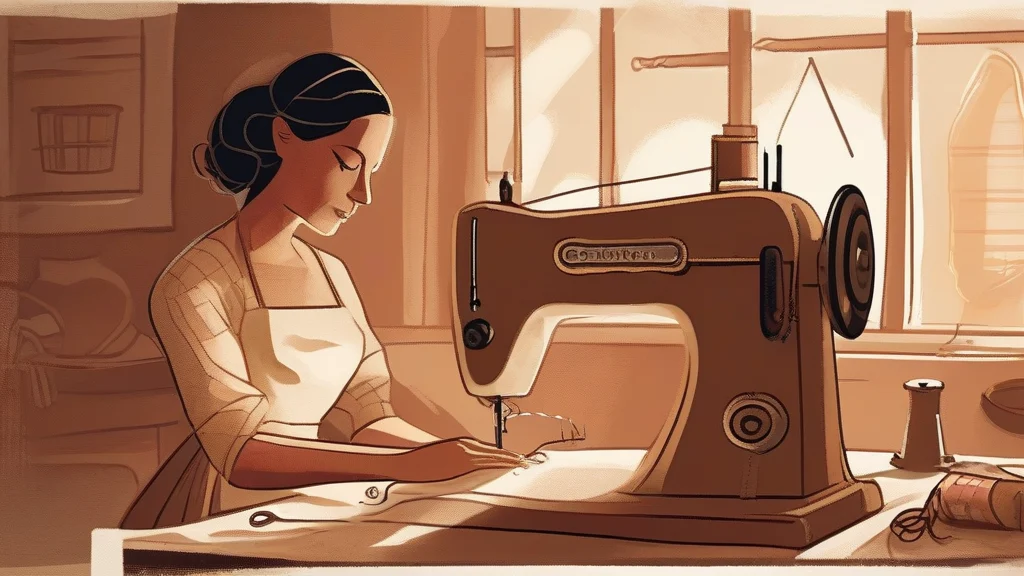
What does seamstress mean?
A seamstress is a woman who sews seams, makes clothing, or repairs and alters garments. The word is especially associated with skilled sewing work, including dressmaking, hemming, fitting, and mending. In modern usage, a seamstress may work independently, operate a small sewing business, or provide services through a shop. Although the term’s historical form includes the feminine occupational suffix “-stress,” it remains a normal professional designation rather than merely a description of someone’s gender. It differs from a tailor, whose traditional role centers on designing and constructing tailored clothing, and from a dressmaker, who generally specializes in making women’s dresses. The word can also refer to a sewing business itself, as in “a local seamstress.” Its enduring appeal lies in its connection to the practical craft of turning fabric into finished clothing.
nounA woman who sews clothing, fabrics, or other materials by hand or by machine, especially as an occupation. The term can also refer to a business or shop that provides sewing services.
- A woman who sews clothing or other fabric, especially for a living.
- A business or shop that provides sewing, altering, or mending services.
"She took the dress to a seamstress for a final adjustment."
"The seamstress measured the hem before making the final stitch."
"Our local seamstress specializes in repairing vintage coats."
The standard plural adds “-es” to the final “-ss.”
"Several seamstresses work in the market’s historic arcade."
The suffix -stress once made the occupation's gender visible: a seamstress was the woman who sewed the seams.
Reviewed by Deb Chak, Editor. AI-assisted content curated by RJS Tech Solutions LLP.
Where does seamstress come from?
The word is an English occupational formation built from “seam” and the feminine agent suffix “-stress,” meaning a woman who performs a specified trade. “Seam” descends from Old English “sīm,” referring originally to a line where two pieces of material are joined. The compound became established during the nineteenth century as a designation for a woman employed in sewing or dressmaking. Related occupational forms include “seamster” and “seamer,” both of which preserve the same root idea of joining or sewing material.
Related word forms
How seamstress is actually used
The term is common in British and American English. It is often associated with dressmaking, alterations, and traditional sewing services; in some contexts, tailoress is a more formal or literary alternative.
Easily confused with seamstress
A tailor traditionally makes clothing, especially suits and other tailored garments, whereas a seamstress specializes in sewing seams, making adjustments, and repairing or altering garments.
A dressmaker designs and makes women's clothing, while a seamstress is more specifically associated with sewing seams and performing garment construction or alterations.