
What does shepherding mean?
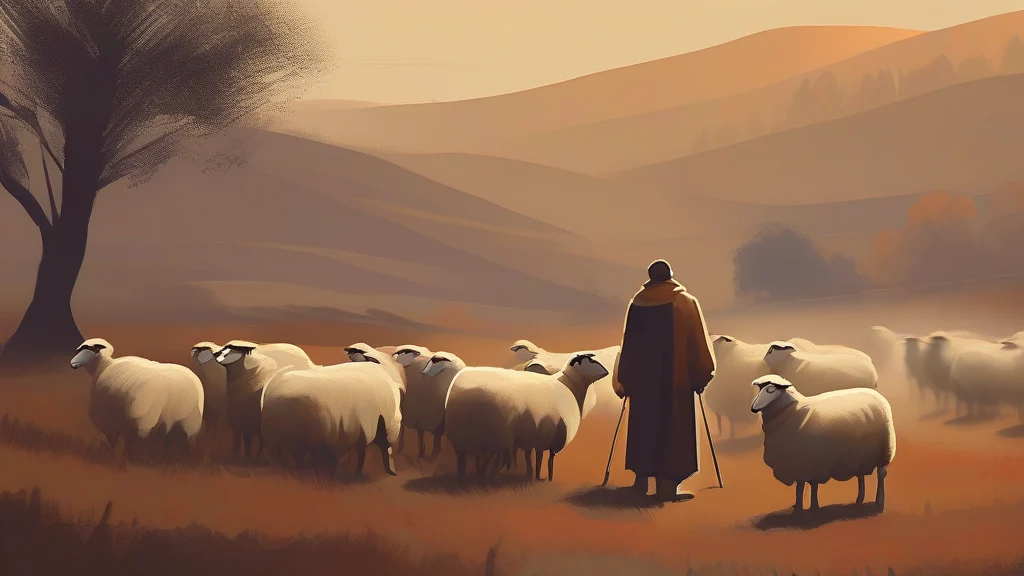
Shepherding literally means tending and guiding sheep, usually as they move between grazing areas or through difficult terrain. The word is also used figuratively for guiding people, organizing groups, or managing a difficult situation with steady and attentive leadership. This extended sense is especially common in education, politics, journalism, and professional life, where a leader may be said to shepherd a group, project, or reform toward a desired outcome. The expression generally conveys care and control, suggesting that someone is keeping others together, on course, or away from trouble. Although “shepherding” can sometimes imply excessive direction, it is usually neutral or favorable when the responsibility is appropriate. Its imagery is vivid and memorable: a person watches the flock, anticipates its needs, and provides direction without abandoning it.
The activity or practice of tending and guiding sheep, or figuratively the careful guiding and management of a group.
"Traditional shepherding requires close attention to the movement and well-being of the flock."
The noun can refer literally to sheep husbandry or metaphorically to the management of people, projects, or institutions.
To guide and manage sheep or, figuratively, to lead a group of people with care and attention.
"She spent the afternoon shepherding the children safely across the busy road."
In figurative use, the verb may suggest attentive direction, though it can sound mildly patronizing when it implies unnecessary supervision.
The plural is uncommon because the word is normally used as an uncountable noun for an activity.
"The shepherdings took place in the same highland pastures each summer."
Before it meant guiding people, shepherding meant keeping sheep together and out of danger.
Reviewed by Deb Chak, Editor. AI-assisted content curated by RJS Tech Solutions LLP.
Where does shepherding come from?
The word comes from the Old English compound sceepherd, formed from sceep (“sheep”) and herde (“herd”), referring to a person who tends a flock of sheep. In Middle English, this became shepherde and eventually shepherd; the present participle shepherding was formed on that base. The same Germanic roots appear in related forms such as shepherdess and sheepherder, while English “herd” continues the older vocabulary of flock management.
How shepherding is actually used
The figurative use is common and generally positive, suggesting patient, attentive, or responsible guidance. It can sound slightly paternalistic when applied to adults or groups expected to act independently.