
What does sloucher mean?
A sloucher is someone who habitually sits or stands with a slumped, drooping posture, while the verb sloucher means to adopt that posture. The word is informal and often carries a mildly teasing or disapproving implication, suggesting laziness, lack of energy, or poor manners rather than merely a momentary movement. It is especially associated with someone slumping in a chair, folding forward, or failing to sit upright. Although the related verb slouch is more common, sloucher can give a noun to the habitual slumping person and can add a vivid character description to writing. In most contexts, the term is better suited to casual speech or humorous characterization than to formal description.
A person who habitually adopts a slumped or drooping posture.
"Her brother was such a sloucher that he spent most family dinners folded over the table."
Chiefly informal and often mildly disapproving or humorous.
To sit or stand with a slumped, drooping posture.
"The children slouched into their seats while the guest waited."
Less common than the related verb slouch and generally informal.
Used for multiple people who habitually sit or stand with a slumped posture.
"The coach encouraged the slouchers to straighten up before the photograph."
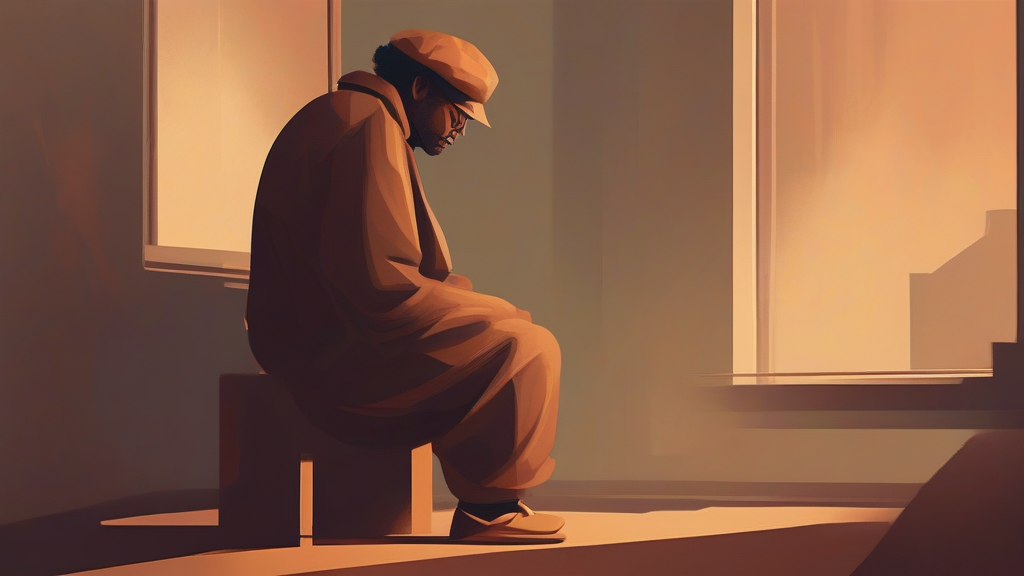
A sloucher turns a simple posture into a character: the picture is of someone permanently folded into a chair, reluctant to straighten up.
Reviewed by Deb Chak, Editor. AI-assisted content curated by RJS Tech Solutions LLP.
Etymology of sloucher
The word was formed in English from the existing verb slouch by adding the suffix -er, first in the sense of a person who slouches and later also as a verb meaning to slouch. The underlying verb slouch is attested from the early 17th century and appears to derive from an earlier noun describing a drooping posture or gait. The suffix -er is an ordinary agentive ending that turns many verbs into names for the person who performs the action.
Related word forms
How sloucher is actually used
The noun is relatively uncommon and usually informal, with a mildly negative or humorous tone because it suggests laziness, poor posture, or lack of enthusiasm. The verb is likewise less common than the basic form slouch.
Easily confused with sloucher
A sloucher is a person who habitually slouches, whereas slouch can name the posture itself or the act of adopting it.