
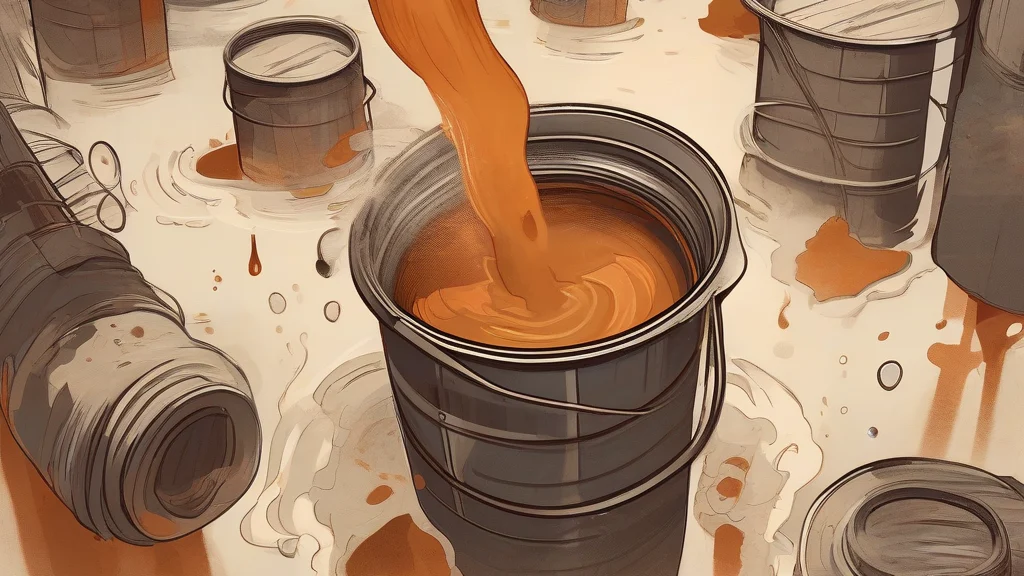
What does spillage mean?
Spillage names the release of a liquid, gas, powder, or other substance from its intended container or course. Its usual implication is an accidental, excessive, or undesirable discharge, such as oil spreading after a tanker accident or chemicals escaping at a worksite. The word is especially associated with environmental damage, industrial safety, pollution, and transport incidents, although it can be used in lighter contexts for the contents of a tipped container. Spillage is a noun: one can refer to a spillage, the spillage of fuel, or the amount involved. It is related to the more general verb and noun spill, but tends to present the event as something requiring containment, cleanup, or explanation. In British and international English, spillage is particularly frequent in formal reports and safety-related language; American usage favors spill for many of the same situations, though spillage remains common in specialized and environmental contexts.
nounAn act or instance of liquid, gas, powder, or another substance being spilled, especially accidentally. It can also refer to the amount of material that has been released in this way.
- The act or instance of spilling a substance, especially accidentally.
- The quantity of substance that has been spilled or released.
- A discharge or leakage of material into the environment.
"The crash caused a spillage of fuel across the road."
"The workers contained the chemical spillage before it reached the drain."
"The report estimated the oil spillage at several thousand litres."
"A large spillage from the pipeline forced the authorities to close the harbour."
The plural spillages is used for separate incidents or releases of material.
"Several chemical spillages were reported at the industrial site."
A spillage is more than a spill: it often carries the practical and environmental weight of an uncontrolled release, such as oil or chemicals escaping from a vessel or container.
Reviewed by Deb Chak, Editor. AI-assisted content curated by RJS Tech Solutions LLP.
Etymology of spillage
Spillage is derived from the English verb spill by adding the suffix -age, a productive noun-forming suffix that indicates an action, process, or result. The verb spill itself comes from Old English spyllan, meaning to pour, scatter, or cause to flow out. The development of spillage therefore follows a long-established English pattern in which a verb is converted into a noun naming an act or result, as in drainage from drain or breakage from break.
Related word forms
How spillage is actually used
The word is especially common in British and international English for an accidental or uncontrolled release of oil, chemicals, waste, or other substances. In American English, spill is more common in general contexts, although spillage is understood and used, particularly in environmental, industrial, and regulatory settings.
Easily confused with spillage
Spill is the basic noun and verb for the release or act of releasing material, while spillage often emphasizes an incident, an amount released, or an accidental discharge.
Spillage is not a synonym for the closely similar spelling 'spillage' in another sense; it specifically denotes a release or discharge of material, commonly a liquid or chemical.