
What does strutter mean?
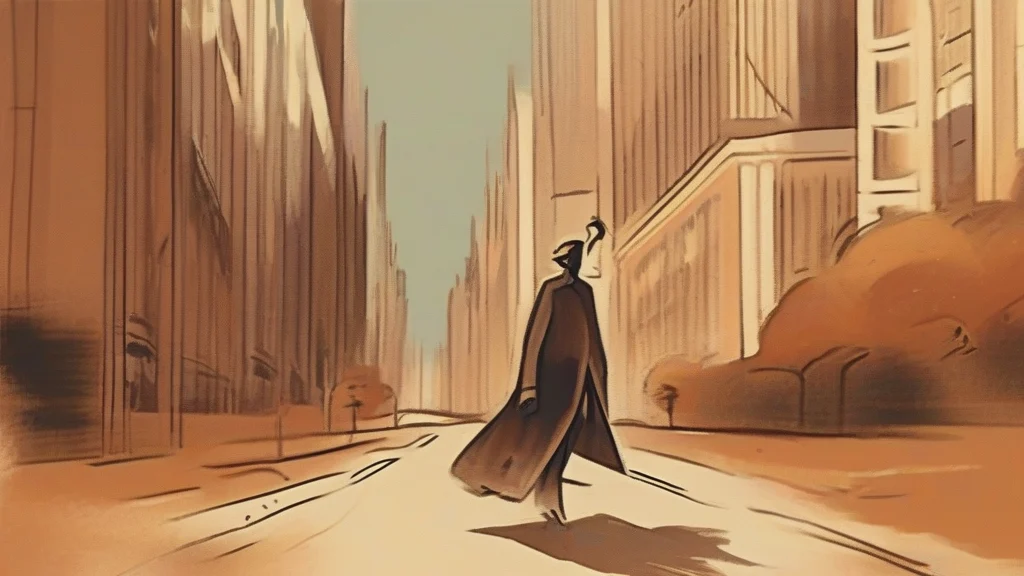
Strutter is chiefly a verb meaning to walk in a stiff, unsteady, or exaggeratedly swaggering manner. Someone who strutters may simply have an irregular gait, though the word can also suggest theatrical self-importance or an attention-seeking walk. The related noun strutter usually denotes a person who moves in this conspicuous way, while the plural strutters refers to such people. Strutter is less common than synonyms such as swagger or march and should not be confused with stutter, which concerns a disruption in speech involving repeated sounds, prolonged syllables, or blocked speech. Although a strutter can be described neutrally, the expression often carries a mildly critical or humorous edge because it highlights an unusual manner of walking. The word is especially useful when the precise issue is not an ordinary limp but a conspicuously stiff, irregular, or showy stride.
To walk with a stiff, unsteady, irregular, or exaggeratedly swaggering gait.
"The injured horse began to strutter across the field."
The sense can be neutral when describing an irregular gait, but it often conveys conspicuous, theatrical, or self-important movement.
A person who walks with such a gait, especially a performer who moves in a swaggering or showy manner.
"The director cast him as the cocky strutter in the second act."
The noun may refer either to a person or, more generally, to an affected manner of walking.
The standard plural denotes multiple people who walk in a stiff, irregular, or swaggering manner.
"Two strutters entered in exaggerated, theatrical poses."
The word has a theatrical streak: it can describe a walk so exaggerated that the performer seems to be playing every step.
Reviewed by Deb Chak, Editor. AI-assisted content curated by RJS Tech Solutions LLP.
Where does strutter come from?
Strutter developed from the English word strut, which denotes a proud or swaggering manner of walking, together with the suffix -er. The compound first became established in the early nineteenth century, with early uses associated especially with theatrical performers and conspicuous stage movements. Its later sense for walking with a stiff or irregular gait developed from the verb's broader association with an affected or unnatural way of moving.
Related word forms
How strutter is actually used
The word is relatively uncommon in everyday speech and can sound descriptive or slightly derisive. It may indicate an awkward gait, an exaggerated swagger, or a theatrical manner of walking.
Easily confused with strutter
A stutter is a speech disorder involving repetitions, blocks, or prolonged sounds, whereas a strutter is a person whose walk is stiff, unsteady, or swaggering.