
What does terracotta mean?
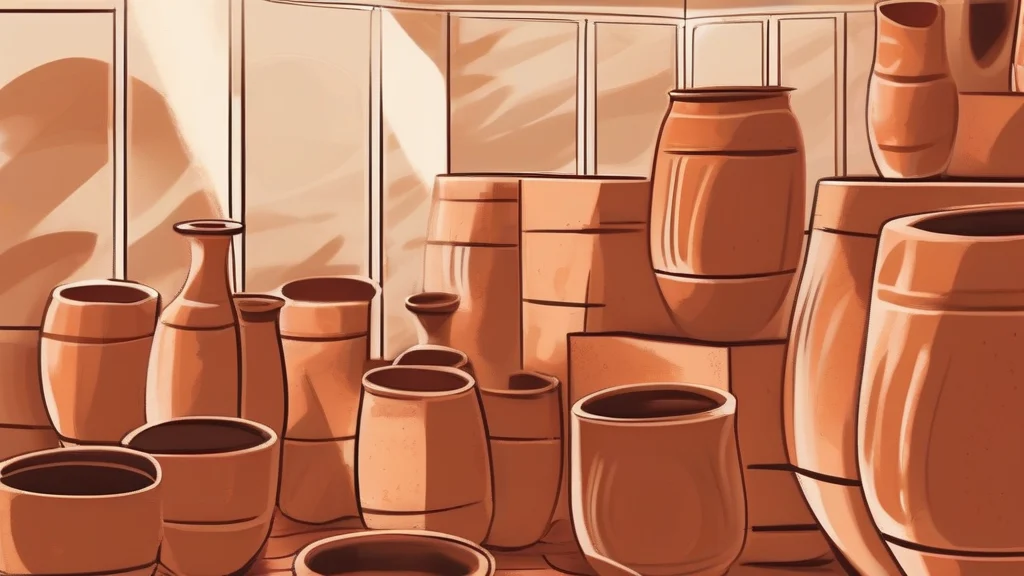
Terracotta is a term for a type of fired clay and for the warm reddish-brown color associated with it. As a material, terracotta is durable, porous, and valued in pottery, sculpture, roof tiles, and architectural decoration. Its color often evokes earth, sun-baked landscapes, Mediterranean architecture, and traditional craft. The word may refer collectively to ceramic objects or to the material itself: a collection might include terracotta bowls, planters, or figurines. In design and interiors, “terracotta” commonly describes walls, floors, fabrics, and furnishings in a range of muted reddish-brown shades. The term is generally formal but widely understood in artistic and architectural contexts. Its name reflects its composition and history: it comes from Italian and literally means “baked earth.” Terracotta is therefore useful not only as a precise description of a ceramic material but also as a color term that conveys warmth, naturalness, and craftsmanship.
A hard, porous ceramic material made from fired clay, usually reddish-brown or orange-brown in color; also an object made from this material or the color associated with it.
"The sculptor molded the figure from terracotta before it was fired in a kiln."
As a material, terracotta is often treated as uncountable; plural forms are used mainly for individual objects or distinct colors.
Made of terracotta or having the characteristic reddish-brown color of fired clay.
"The building has a façade of pale terracotta panels."
This use is especially common in art, architecture, interior design, and descriptions of color.
The plural is used for individual terracotta objects or distinguishable examples of the color; the material itself is usually uncountable.
"The gallery displayed several small terracotta figures from the ancient Mediterranean."
Terracotta literally means “baked earth”: its name comes from Italian words for earth and the process of baking, and it has adorned buildings and homes for millennia.
Reviewed by Deb Chak, Editor. AI-assisted content curated by RJS Tech Solutions LLP.
Where does terracotta come from?
English borrowed the word from Italian terracotta, formed from terra, “earth,” and cotta, “baked.” Italian cotta derives from the Latin cocta, the feminine past participle of coquere, “to cook” or “to bake.” The compound was used for baked-earth pottery and later became the name of the characteristic reddish-brown clay and color. Its wider English cognates, including terrain, terrestrial, and territory, ultimately derive from the same Latin root terra, “earth.”
How terracotta is actually used
The word is commonly used in art, architecture, interiors, and pottery. It can refer to the material, individual fired-clay objects, or the characteristic color; in the color sense, it is often modified by words such as “deep,” “warm,” or “muted.”
Easily confused with terracotta
Terracotta is fired clay, whereas terrazzo is a composite material made from small stone or glass chips set in cement or resin.