
What does thunderstorm mean?
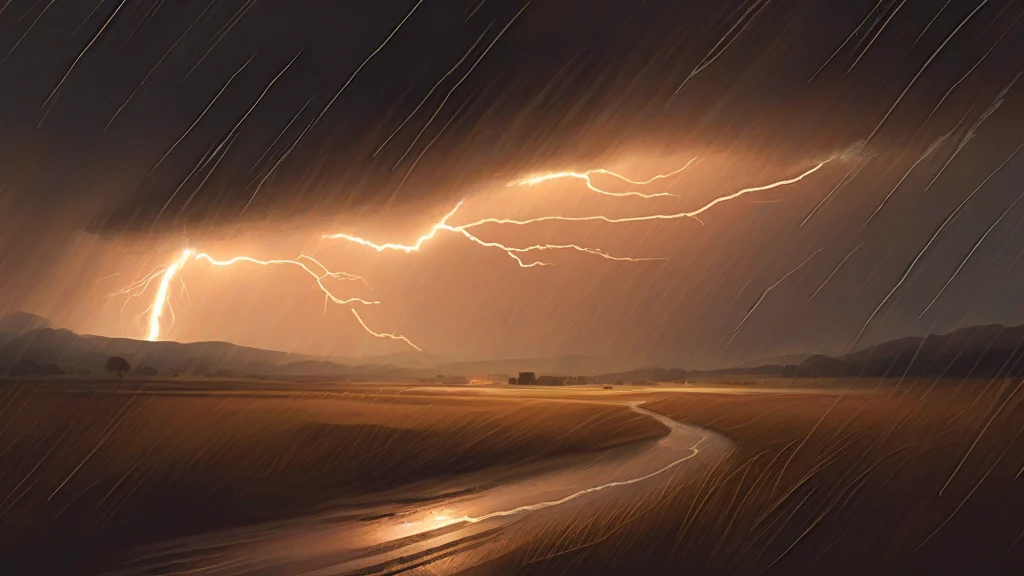
A thunderstorm is a storm accompanied by thunder and lightning, often with heavy rain, hail, or strong winds. In ordinary conversation, the word describes a weather event and may imply that the storm is powerful, noisy, or disruptive. Because thunder is the sound produced by the rapid heating and expansion of air along a lightning channel, the presence of thunder distinguishes a thunderstorm from other kinds of rain or wind storms. The word also has a figurative use for a sudden and violent exchange of anger, criticism, or argument. Expressions such as “a storm of complaints” and “a thunderstorm of protests” treat the verbal conflict as a storm breaking violently over the participants. Thunderstorms are common in many regions, particularly where warm, moist air rises into cooler air, though their frequency and severity vary seasonally and geographically.
nounA storm accompanied by thunder and lightning, usually also producing rain or hail. Figuratively, the word can refer to a sudden, violent outburst of anger, argument, or criticism.
- A storm characterized by thunder and lightning, often accompanied by heavy rain, hail, or strong winds.
- A sudden and violent outburst of anger, argument, criticism, or other contentious speech.
"A violent thunderstorm knocked out power across the neighborhood."
"The forecast warned that a severe thunderstorm could produce damaging winds and hail."
"The committee meeting turned into a thunderstorm of objections and accusations."
The regular plural adds -s: “several thunderstorms.” In the figurative sense, the plural can refer to multiple outbreaks of conflict or criticism.
"Power outages continued after several thunderstorms crossed the region."
The rumble of thunder is the shock wave produced when lightning heats the air, so every thunderstorm literally turns electricity into sound.
Reviewed by Deb Chak, Editor. AI-assisted content curated by RJS Tech Solutions LLP.
Where does thunderstorm come from?
“Thunderstorm” is an English compound formed from “thunder” and “storm,” with both elements belonging to the Germanic vocabulary inherited into English. The compound has been in use since the early 17th century, while its figurative sense developed later from the idea of a storm of noise, anger, or words. Its meaning and pronunciation remain broadly similar across English-speaking varieties, although the vowels in the second syllable differ between many British and American accents.
How thunderstorm is actually used
The word is neutral in everyday use, but a severe thunderstorm can suggest dangerous weather and significant disruption. The figurative sense is common in journalism and formal discussion, where it conveys an intense exchange of anger or criticism.