
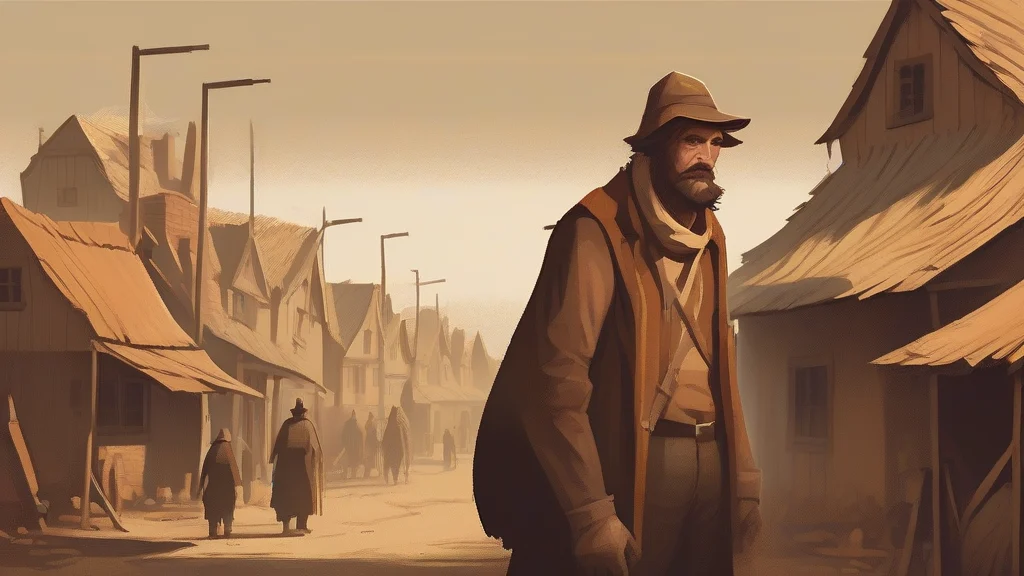
What does townsmen mean?
Townsmen is the plural noun for men who live in or belong to a particular town. Depending on context, it can refer simply to the male residents of a place or more specifically to men who have an established connection with its community. The word is neutral in meaning but often carries a traditional or civic tone, making it common in writing about local history, public ceremonies, and town meetings. Unlike citizens, townsmen does not necessarily imply political rights or legal citizenship; it primarily identifies residence and community membership. In ordinary conversation, local people may simply be called residents or locals. Townsmen is plural in form, with townsman as its singular counterpart. Because the expression can evoke an older village or market-town social order, it may sound deliberately traditional when used in modern contexts. Nevertheless, it remains a clear and useful word whenever the male inhabitants of a town need to be identified collectively.
nounThe plural form of townsman: men belonging to or living in a particular town, especially men who are established members of its local community.
- Men who live in or belong to a particular town, especially as members of its established community.
"Local townsmen gathered at the market to discuss the proposed changes to the village."
"The townsmen rebuilt the market hall after it was damaged by fire."
"In her novel, she portrayed the opinions and rivalries of several provincial townsmen."
Townsmen is the standard plural of townsman and refers to more than one male resident or community member.
"Several townsmen donated money to repair the church roof."
Townsmen has an unusual shape: town + s + men, joining a place-name stem with the irregular English plural men.
Reviewed by Deb Chak, Editor. AI-assisted content curated by RJS Tech Solutions LLP.
Etymology of townsmen
The word belongs to the English family based on Old English tūn, meaning a farmstead or settlement, which developed into town. An earlier form, townmen, appeared in Middle English, and by the early modern period the form townsmen had become established. Its second element now takes the irregular English plural men, while related forms such as township and townland preserve the same inherited Germanic base.
Related word forms
How townsmen is actually used
The word is neutral in meaning but often has a traditional or civic tone. It is more characteristic of British English than American English, although it is understood and used in both varieties.
Easily confused with townsmen
A townsman is one man belonging to a town, whereas townsmen refers to more than one.