
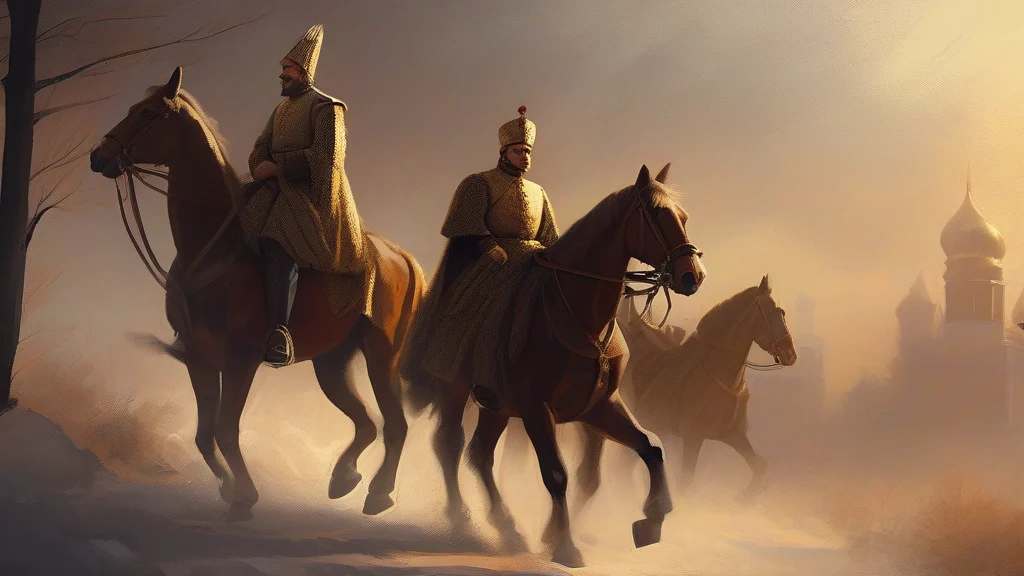
What does tsar mean?
The tsar was the title of the monarch of Russia, comparable in function to emperor or monarch, although it carried strong associations with autocratic imperial rule. Russian rulers officially used the title from the sixteenth century until the monarchy fell in 1917, and the word also designated the medieval and early modern monarchs of Bulgaria. In present-day English, tsar is most often encountered in history, literature, and discussion of Russian or Eastern European culture rather than as a functioning title. Its etymology reflects the movement of an ancient Roman name across Europe: tsar ultimately traces through Old Church Slavonic to Latin Caesar, the title used for Roman emperors. The related words tsarina and tsaritsa denote a tsar's wife or empress, while tsarist and tsarism describe a political system or supporter associated with tsarist rule. Today the word is especially memorable because it preserves both Russia's imperial past and a broader European history of inherited forms of imperial authority.
nounThe title of the monarch of Russia, and historically of the monarchs of Bulgaria. The word is chiefly used in historical and cultural contexts.
- A monarch or emperor of Russia.
- A title borne by the monarchs of Bulgaria.
"The tsar presided over one of the largest empires in nineteenth-century Europe."
"Historians still debate the extent of the tsar's authority over the Russian nobility."
"The medieval Bulgarian tsar ruled from Pliska before the capital moved to Preslav."
The standard plural is tsars.
"Successive tsars sought to expand the Russian empire."
Tsar carries the imperial name Caesar eastward: the Russian title ultimately derives from Latin Caesar.
Reviewed by Deb Chak, Editor. AI-assisted content curated by RJS Tech Solutions LLP.
Where does tsar come from?
English borrowed tsar in the early seventeenth century from Russian tsar, which was taken from Old Church Slavonic tsarĭ. These forms ultimately derive from Latin Caesar, the title borne by Roman emperors, and belong to a wider European family that includes German Kaiser. The alternative English spelling czar reflects the form used in several other European languages.
Related word forms
How tsar is actually used
In modern English, tsar is mainly historical or literary. It may sound archaic in ordinary discussion, while tsarina and tsarist remain common in writing about Russian history and politics.
Easily confused with tsar
Czar is an alternative English spelling of tsar and refers to the same historical title.