
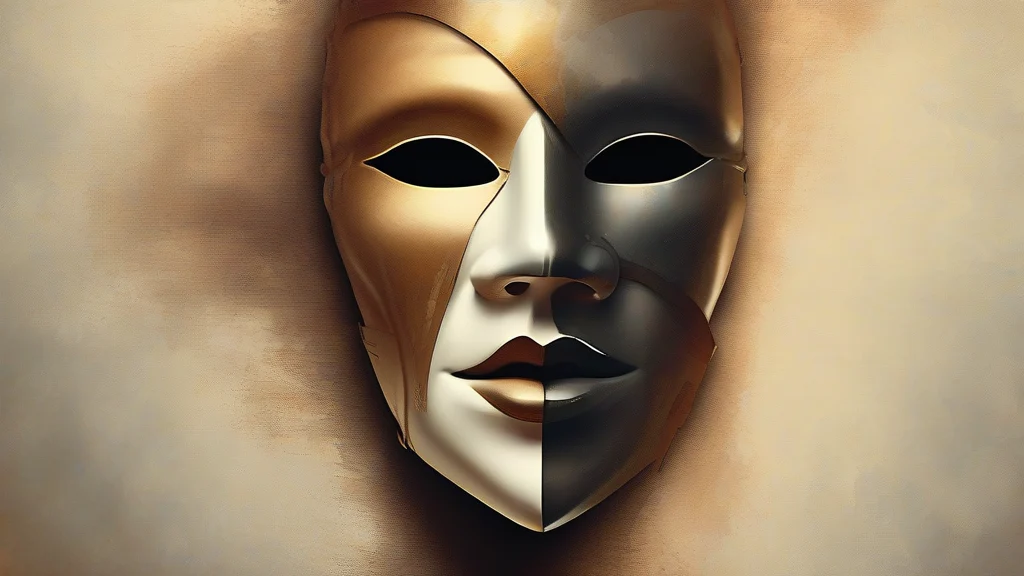
What does unmask mean?
Unmask is a verb meaning to remove a mask or disguise, or to reveal something that has been concealed. Its figurative uses are especially common: an investigation may unmask a criminal, a report may unmask corruption, and new evidence may unmask the truth. The word often suggests a decisive revelation, not merely the gradual discovery of information. It can describe literal acts, such as removing a mask at a ceremony, as well as situations in which a person's identity or a hidden fact is exposed. Unmask is understood in British and American English and is useful when emphasizing that secrecy or concealment has ended. It is related in origin to mask and to words such as masque and masquerade, all of which belong to the language of disguise and concealment.
verbTo remove a mask or other covering from someone or something, especially in order to reveal a concealed identity. It can also mean to expose or make known something that has been hidden.
- To remove a mask or disguise from someone.
- To reveal a concealed identity, especially by exposing someone involved in wrongdoing.
- To expose or make known something hidden, such as a truth, plan, or secret.
"The investigation helped to unmask the people responsible for the fraud."
"The witness agreed to unmask the person who had been directing the organization."
"Careful analysis of the documents unmasked a serious flaw in the company's accounting."
Unmask has a double life: it can describe literally removing a disguise or figuratively exposing a hidden truth.
Reviewed by Deb Chak, Editor. AI-assisted content curated by RJS Tech Solutions LLP.
Where does unmask come from?
Unmask was formed in early modern English by combining the prefix un- with mask. Mask entered English through French masque, which was borrowed from Italian maschera, a family of words associated with a face covering or disguise. The same broader root also underlies masque and masquerade.
Related word forms
How unmask is actually used
The word is used both literally and figuratively. Figurative uses often occur in journalism, legal contexts, and formal discussion, where they imply that a hidden identity, secret, or wrongdoing has been exposed.
Easily confused with unmask
Unmask means to reveal a hidden identity or concealed information, whereas unmarked means without a mark, label, or distinguishing feature.