
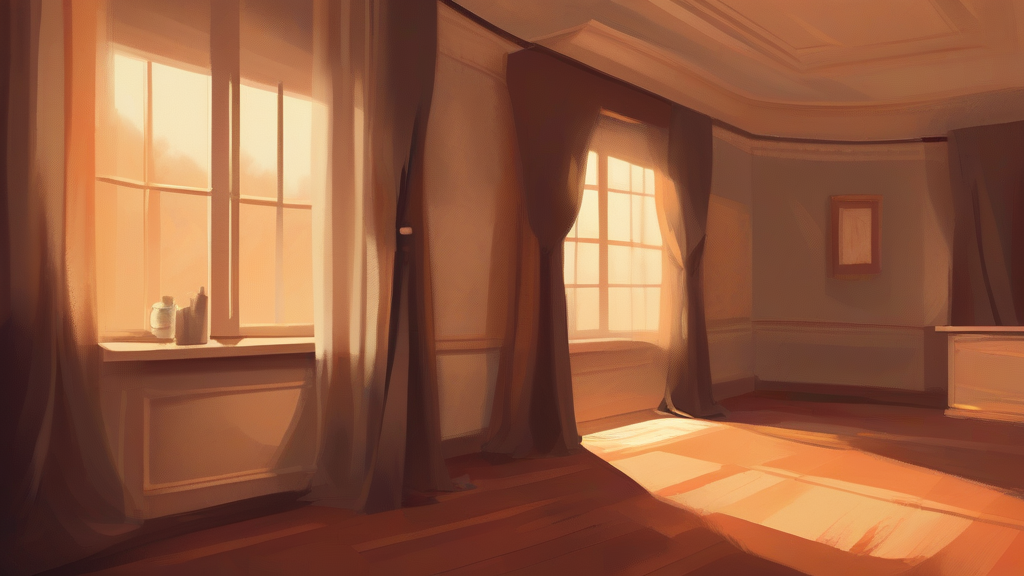
What does valancing mean?
Valancing is the decorative fabric or trim that hangs around the upper edge of a bed, couch, cabinet, or similar piece of furniture. It can conceal part of the underlying frame while giving the furnishing a finished, coordinated appearance. The term may also name the activity of adding such a hanging: to valance a bed or window is to furnish it with a decorative valance. In everyday use, valancing is most strongly associated with textiles, interiors, upholstery, and sewing, so it has a practical as well as an ornamental meaning. As a noun, it is generally treated as a mass noun for the material or trimming, although plural forms are possible when separate decorative pieces are meant. Valance is a closely related and commonly used word, while pelmet is often encountered in British English. Valancing consequently combines a straightforward description of decorative fabric with the broader connotation of making an ordinary object look considered and complete.
Decorative fabric or trimming arranged as a hanging fringe around the upper edge of a bed, couch, cabinet, or similar furnishing; also the process of adding such decoration.
"The upholsterer replaced the faded valancing with a narrow strip of burgundy velvet."
Often used as an uncountable noun for the material or trimming collectively.
To furnish or trim something with a decorative hanging or valance.
"They valanced the plain windows with a simple blue-and-white border."
Less common than the related verb valance but fully established in decorative and upholstery contexts.
Usually used as an uncountable noun for decorative fabric or trimming; the plural is uncommon and is chiefly used when separate pieces are meant.
"Several ornate valancings were displayed in the upholstery workshop."
A valance is furniture's quickest disguise: it hides the upper frame and gives a plain bed instant character.
Reviewed by Deb Chak, Editor. AI-assisted content curated by RJS Tech Solutions LLP.
Etymology of valancing
Valancing was formed in English from valance, a word borrowed from French for a hanging or curtain. French valance developed through Middle French and Old French, with the English decorative sense established during the early modern period. The ultimate Latin connection is commonly traced through Medieval Latin valantia to valere, meaning to be strong, a root also underlying words such as valence, valiant, and valour.
Related word forms
How valancing is actually used
Valancing is especially associated with beds, couches, cabinets, and other upholstered furniture. The related noun and verb valance are at least as common, and pelmet is a common British equivalent in certain interior-decoration contexts.
Easily confused with valancing
A valance is the decorative hanging itself, while valancing can name that fabric or trimming collectively and can also be used as a verb.
Valencing concerns decorative fabric or the act of adding it, whereas valence refers to chemical combining capacity or the value of a suffix in grammar.