
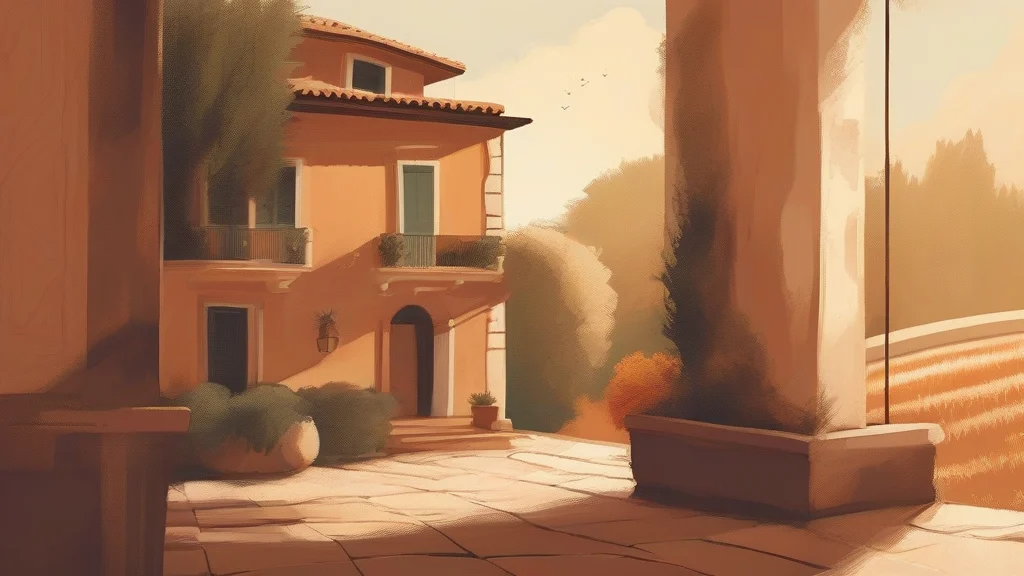
What does villeggiatura mean?
Villeggiatura is a chiefly British noun for a summer holiday, especially an extended stay at a villa, country house, mountain resort, or seaside destination. It can refer either to the holiday itself or, collectively, to the period when many families and travelers take summer breaks. In English, the word retains a distinctly Italian flavor: its associations with warm weather, seasonal residence, and the ritual of leaving the city during the hottest months are often more important than any implication of luxury. Thus “on villeggiatura” and “the villeggiatura season” describe both a particular trip and the broader annual rhythm of summer travel. The term is uncommon in American English, where “summer vacation” or “summer holiday” is more usual. Although relatively rare, villeggiatura is memorable because it compresses an entire seasonal tradition into one noun and gives ordinary plans for the summer a cosmopolitan, distinctly European tone.
nounA summer holiday, especially an extended stay at a villa, country house, or seasonal resort. By extension, it can refer to the summer-holiday season or the tradition of spending part of the summer away from home.
- A summer holiday or extended seasonal stay, especially at a villa, countryside retreat, or resort.
- The summer-holiday season or the custom of taking a summer holiday.
"The family goes on villeggiatura in the Dolomites every August."
"Our family goes on villeggiatura in the Dolomites every August."
"The lakeside hotels fill up as the villeggiatura season begins."
The noun is normally used in the singular; when a plural is used, it has the same form.
"The August villeggiatura is an important part of local life."
Borrowed from Italian, villeggiatura evokes the annual European ritual of leaving the city for the hills, lakes, or seaside when summer arrives.
Reviewed by Deb Chak, Editor. AI-assisted content curated by RJS Tech Solutions LLP.
Etymology of villeggiatura
Villeggiatura was borrowed from Italian villeggiatura, a noun derived from villeggiare, “to spend the summer.” The Italian verb is associated with villa, meaning a country house, and ultimately with Latin villa. English cognates such as villa, village, and villager reflect that same Latin ancestry, although they developed along separate historical paths.
How villeggiatura is actually used
Rather formal and specialized compared with the usual British expression “summer holiday.” It often carries a European or Italian flavour and may suggest an extended seasonal residence rather than a brief break.