
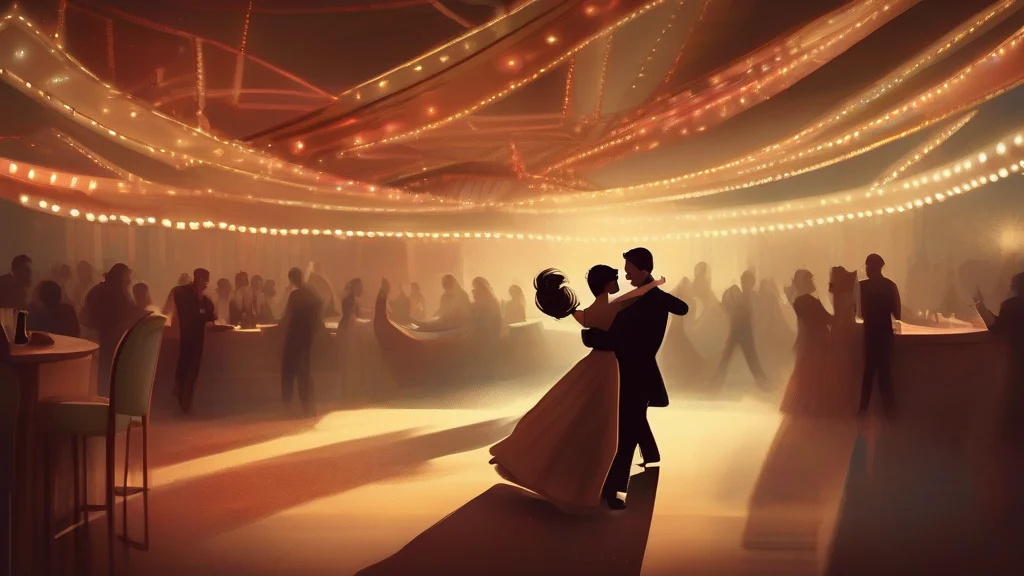
What does waltzer mean?
A waltzer is a person who dances the waltz, a ballroom dance characterized by a flowing triple-meter rhythm and the turning movement of partners. The noun denotes the dancer rather than the dance itself: a waltz is the activity or performance, while a waltzer is the person participating in it. It can be used broadly for anyone who dances the waltz, although descriptive contexts often imply that the person is a regular or accomplished ballroom dancer. Waltzer appears in both British and American English and is especially evocative of formal dances, social gatherings, and nostalgic descriptions of ballroom culture. Its regular plural is waltzers. The word is also connected etymologically to waltz, the borrowed name of the dance, and to related forms such as valse and vals. Together, these connections make waltzer a useful distinction for a person whose particular dancing style is the waltz.
nounA person who dances the waltz, especially at a ballroom or social dance.
- A person who dances the waltz.
"The couple were among the finest waltzers at the gala."
"Their grandfather was a celebrated waltzer at the local ballroom."
"The dancer turned to her partner and said, "No one else waltzes quite like you.""
The regular plural adds -s to the singular form.
"The two waltzers entered the floor as the orchestra began the next dance."
The word hides a clue in its root: waltz comes from a Germanic word meaning to turn or roll, just as a waltzer turns with a partner.
Reviewed by Deb Chak, Editor. AI-assisted content curated by RJS Tech Solutions LLP.
Etymology of waltzer
Waltzer was formed in English by adding the agent suffix -er to waltz, so it originally meant "one who waltzes." Waltz was borrowed from German Walzer, a term for the dance derived from walzen, meaning "to turn or roll." The related English forms valse and vals also preserve this Germanic dance-word lineage.
Related word forms
How waltzer is actually used
The word is usually countable and often appears in descriptive writing about ballroom, social, or historical dancing. In British English, the final r is normally non-rhotic.
Easily confused with waltzer
A waltz is the ballroom dance itself, whereas a waltzer is a person who dances it.