
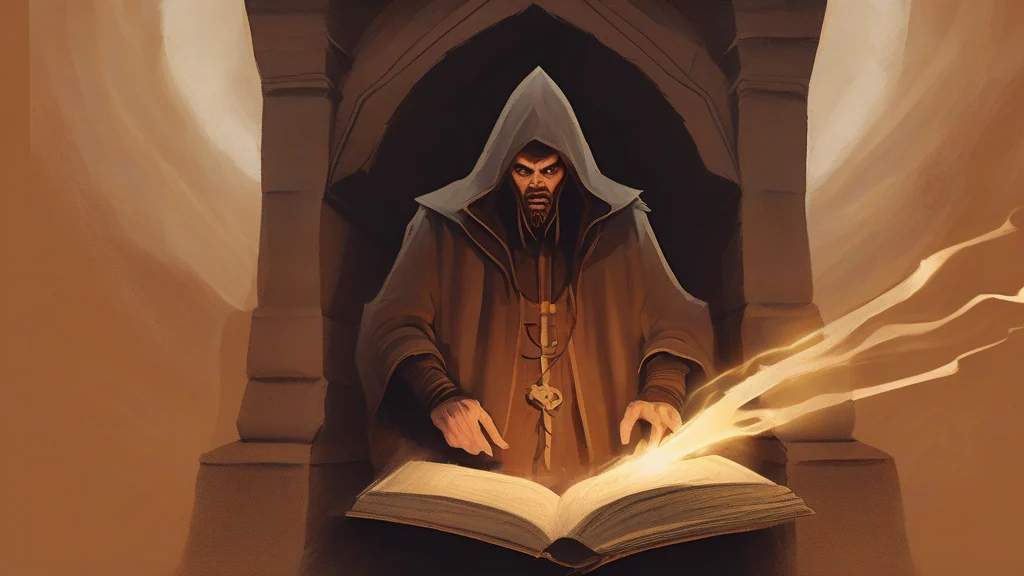
What does warlock mean?
A warlock is traditionally a man who practices witchcraft or sorcery, especially one associated with evil, deception, curses, or dangerous magic. The word is particularly familiar from folklore, fantasy, and popular culture, where warlocks may be portrayed as sinister enchanters, powerful dark magic-users, or figures who bargain with supernatural forces. Although a warlock is specifically male, the related word witch is now commonly used for women and, like warlock, can also refer more broadly to practitioners of harmful magic. The distinction from wizard is mainly one of connotation: a wizard may be benevolent, neutral, or wicked, while a warlock is more readily imagined as threatening. Warlock also has an archaic verb use meaning to practice witchcraft or use magic. Its history is more colorful than its modern definition suggests, since the word originally referred to a deceiver, traitor, or villain before acquiring its association with male practitioners of witchcraft.
A man who practices witchcraft or sorcery, especially one portrayed as evil or malevolent; in modern fantasy, a male user of dark or powerful magic.
"The hero must confront the warlock before the full moon arrives."
Usually connotes danger, evil, or darker magic, although the term is also sometimes used playfully or for a powerful fantasy character.
Archaic: to practice witchcraft or use magic.
"In the old tale, he warlocked the villagers with a forbidden spell."
This use is archaic and uncommon in present-day English.
The regular plural is used for multiple male practitioners of witchcraft or sorcery.
"The legends tell of three warlocks who guarded the mountain pass."
A warlock began as a deceiver associated with war before becoming one of folklore's most recognizable figures of dark magic.
Reviewed by Deb Chak, Editor. AI-assisted content curated by RJS Tech Solutions LLP.
Where does warlock come from?
The modern word developed from Middle English warlok, ultimately from Old English wǣrloga, a term for a deceiver, traitor, or villain. Its older Germanic roots combine a word associated with war or conflict with an element meaning deceiver. During the early modern period, the word came to denote a male practitioner of witchcraft, and it later acquired its strong association with malevolent magic in folklore and literature.
How warlock is actually used
In modern English, warlock usually has a sinister or threatening connotation. It is especially common in folklore, fantasy, and popular culture, while wizard can be used more neutrally for either a beneficial or harmful practitioner of magic. The basic meaning is similar in British and American English.
Easily confused with warlock
A wizard may be good, evil, or morally neutral, whereas a warlock usually carries a stronger connotation of sinister or malevolent magic.