What does bushwhacked mean?
"Bushwhacked" is the past tense and past participle of "bushwhack," meaning to be ambushed or attacked unexpectedly, especially from a hidden position in wooded or wild terrain. It originated in nineteenth-century America, where "bushwhackers" were guerrilla fighters — most notoriously Confederate irregulars during the Civil War — who launched surprise attacks from dense vegetation rather than engaging in formal battle. Over time the word broadened beyond military use: today it can describe anyone waylaid on a trail or, figuratively, someone blindsided by events, such as a hiker caught in a storm or a worker overwhelmed by an unexpected crisis. The term carries a connotation of unfair, hit-and-run tactics, which lends its figurative uses a slightly rueful tone. Informal in register and chiefly American, it remains vivid precisely because of its violent frontier heritage.
verb (past tense and past participle of bushwhack)Ambushed or attacked unexpectedly, especially from a concealed position in wooded country; by extension, caught off guard or overwhelmed by an unforeseen situation.
- Attacked or ambushed unexpectedly from concealment, particularly in woodland or wild terrain.
- Caught off guard, defeated, or exhausted by an unexpected challenge or ordeal.
"The patrol was bushwhacked on the forest trail just before dawn."
"Confederate bushwhackers ambushed the Union supply column as it wound through the Missouri hills."
"After three flight cancellations and a lost suitcase, I arrived at the interview feeling utterly bushwhacked."
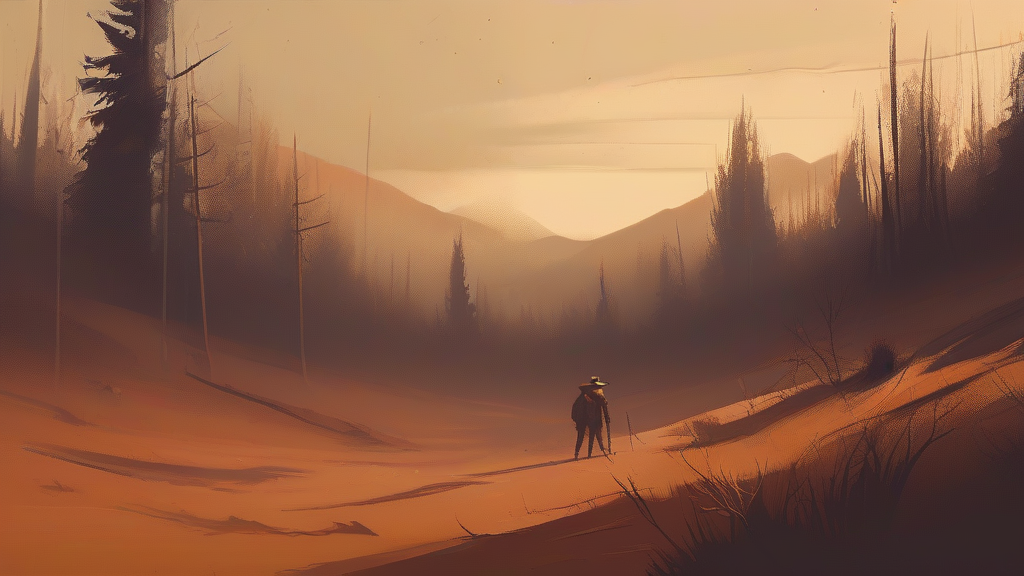
Born on the American frontier during the Civil War, 'bushwhackers' were irregular fighters who struck from the woods — and the word still carries that whiff of sudden, dirty ambush.
Reviewed by Deb Chak, Editor. AI-assisted content curated by RJS Tech Solutions LLP.
Etymology of bushwhacked
"Bushwhack" derives from American English, combining "bush" (wild or uncleared land) with "whack" (a blow), literally suggesting striking someone from the bushes. It arose in the United States in the mid-nineteenth century, gaining prominence through the guerrilla fighters known as bushwhackers who operated in border states during the Civil War. Its component parts are both old English words: "bush" traces back through Middle English to Old Norse "buskr," while "whack" is likely of imitative origin.
Related word forms
How bushwhacked is actually used
Originally associated with guerrilla warfare during the American Civil War, the term is informal to neutral today. The figurative sense — feeling ambushed by circumstances rather than people — is common in everyday American English but less established elsewhere.
Easily confused with bushwhacked
An ambush is any surprise attack, whereas being bushwhacked specifically implies a surprise attack, often from cover in rough or wooded terrain.