What does cackling mean?
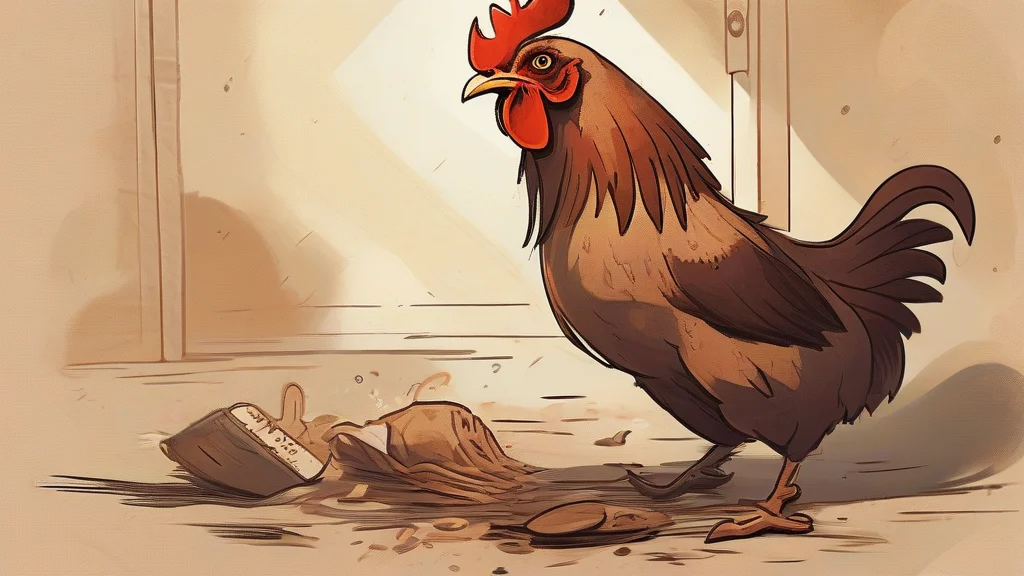
Cackling is the present participle of the verb cackle, describing two distinct sounds: a loud, harsh, broken laugh in humans, and the sharp, clucking cry a hen makes after laying an egg. When applied to people, the word tends to carry strong connotations. A cackling laugh is typically high-pitched, rasping, and unrestrained, and English literature has long used it to characterise witches, villains, and gleeful eccentrics — think of the archetypal cackling crone of fairy tales. It can also suggest mean-spirited or mocking amusement, as in cackling at someone's misfortune, though it may simply convey hearty, unpolished laughter. In its agricultural sense, cackling is entirely neutral, recording one of the most familiar sounds of a farmyard. The word derives from the Middle English cakelen, itself imitative of the hen's call, making it a rare example of onomatopoeia that migrated from the coop to describe human mirth.
Present participle of cackle: to laugh loudly and harshly, or (of a hen) to make its characteristic clucking cry after laying an egg.
"The villains spent the scene cackling over their stolen treasure."
Applied to humans, it usually implies laughter that is shrill, harsh, or slightly menacing.
The act or sound of cackling; a series of harsh laughs or hen's clucks.
"A chorus of cackling erupted from the audience when the comedian tripped."
Often used with a collective sense, e.g. 'the cackling of the geese'.
English speakers have been imitating the sound of a hen's egg-laying announcement since at least the Middle Ages — and we liked it so much we started using it for laughs too.
Reviewed by Deb Chak, Editor. AI-assisted content curated by RJS Tech Solutions LLP.
Etymology of cackling
Cackling comes from the verb cackle, which descends from Middle English cakelen, an onomatopoeic formation imitating the clucking cry of a hen. The word shares Germanic roots with related imitative forms such as Dutch kakelen and Low German kakeln. Its extension from the hen's post-laying call to harsh human laughter developed naturally through the resemblance in sound between the two noises.
Related word forms
How cackling is actually used
"Cackling" often carries a slightly negative or comic connotation when applied to human laughter — suggesting something shrill, sinister, or undignified — while for hens it is purely descriptive. Common in both informal speech and literary description.
Easily confused with cackling
Crackling refers to crisp cooked pork skin or sharp snapping sounds, whereas cackling is a harsh laugh or a hen's cluck.