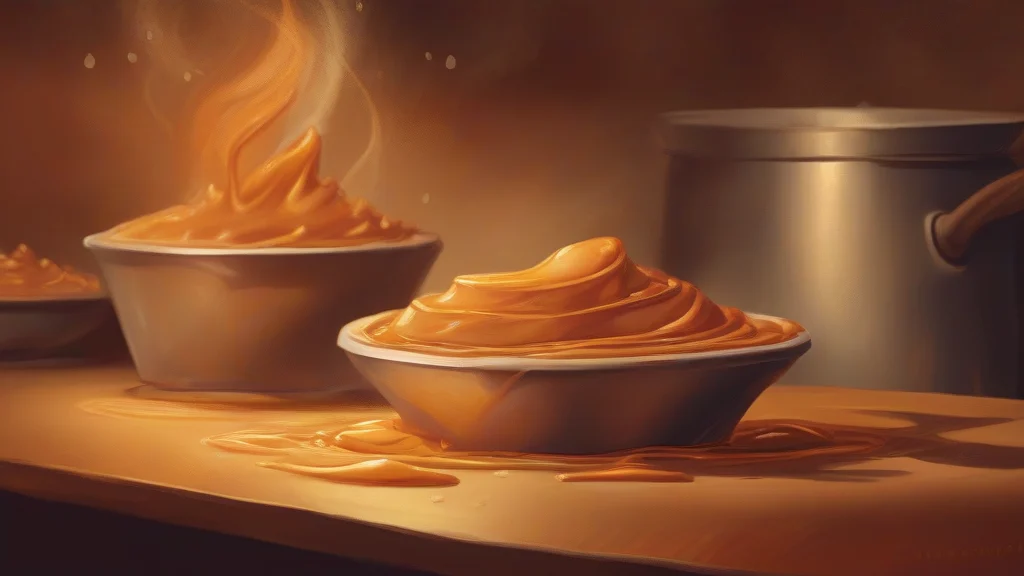
What does caramelize mean?
Caramelize is a verb describing one of cooking's most transformative processes: the heating of sugar until it melts, browns, and develops the rich amber character known as caramel. In its strictest sense, the term refers to melting granulated sugar in a pan to make a syrup or candy base. More broadly, chefs and home cooks use it to describe slow-cooking foods — most famously onions, but also meats, carrots, and other vegetables — so that their natural sugars brown and concentrate, producing deep sweetness and golden color. The process involves complex chemistry: heat breaks down sugar molecules and creates hundreds of new flavor compounds responsible for caramel's nutty, buttery notes. Caramelize appears constantly in recipes and culinary writing on both sides of the Atlantic, though American English favors the -ize spelling while British English often uses -ise. It carries warm, appetizing connotations and signals care and patience in the kitchen.
verbTo convert sugar into caramel by heating it until it melts and browns; more broadly, to brown or sweeten a food through this process.
- To heat sugar until it melts and turns into caramel.
- To cook food (such as onions or meat) slowly so that its natural sugars brown, developing sweetness and color.
"The chef let the onions caramelize slowly over low heat until they turned deep golden brown."
"She sprinkled sugar over the crème brûlée and used a torch to caramelize the top."
"The onions need to caramelize for at least forty minutes to develop their full sweetness."
Caramelization isn't just browning — it's a chemical transformation that creates hundreds of new flavor compounds, turning plain sugar into something nutty, buttery, and deeply complex.
Reviewed by Deb Chak, Editor. AI-assisted content curated by RJS Tech Solutions LLP.
Etymology of caramelize
Caramelize derives from 'caramel', which entered English via French from Spanish 'caramelo', likely tracing further back to Late Latin 'calamellus', a diminutive meaning 'little reed' or sugar cane stalk. The verb formed by adding the -ize suffix to denote the act of making something into caramel. It emerged in English usage alongside the growth of refined sugar cookery, becoming widespread in culinary writing by the nineteenth century.
Related word forms
How caramelize is actually used
Common in cooking contexts, from home kitchens to professional culinary writing. In American English it is typically spelled 'caramelize'; British English often prefers 'caramelise'. The verb is frequently used transitively ('caramelize the onions') as well as intransitively ('the onions caramelized slowly').
Easily confused with caramelize
Caramelise is simply the British spelling of the same word, with an -ise ending rather than the American -ize.