What does cassolette mean?
A cassolette is a small, often ornamental container — historically one designed to burn pastilles or hold perfumed materials so as to fragrance a room. Typically made of silver, gilt bronze, or porcelain, these vessels were frequently pierced or lidded to release scent slowly, and they were popular furnishings in European homes from the seventeenth through nineteenth centuries. In the language of cookery, the word also denotes a small mould or dish in which food is baked and then served individually, a use that survives mainly in classic French cuisine and older English recipe books. Derived from the French diminutive of casse (a pan), the term carries connotations of refinement and domestic elegance. Today it appears most often in auction catalogues, museum collections, and writings on antiques, making it a useful word for readers interested in decorative arts.
A small ornamental container, often pierced or lidded, used for burning pastilles or holding perfumed substances to scent a room.
"A George III silver cassolette sold at auction for several thousand pounds."
The standard term in antiques and decorative-arts contexts.
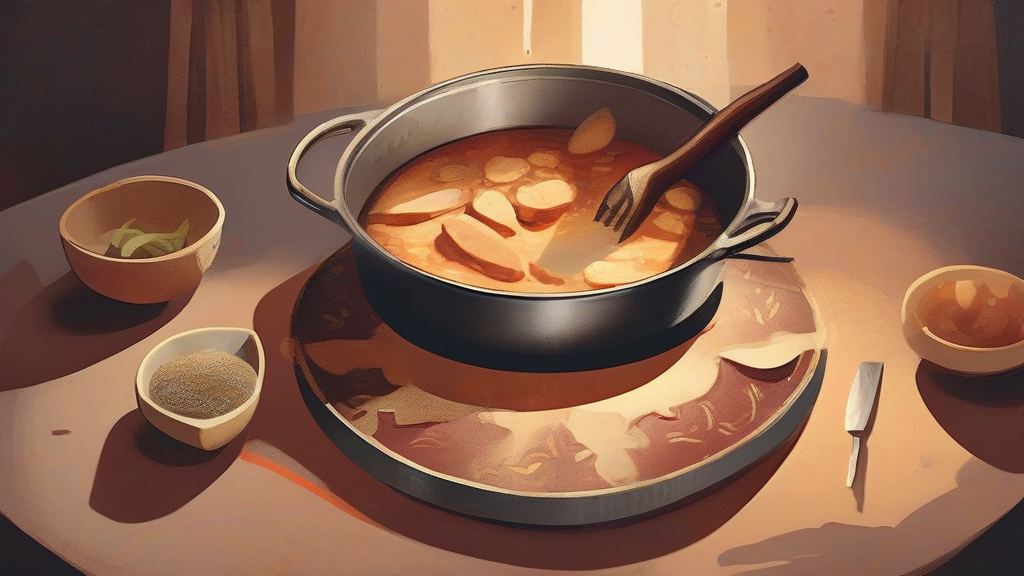
In cookery, a small mould or dish in which food is baked and served.
"The menu featured a cassolette of scallops gratinated with herbs."
Standard English plural; the French plural form is identical.
"The display case held a pair of porcelain cassolettes."
Before air fresheners, elegant households burned scented pastilles in tiny pierced silver boxes called cassolettes — the word literally means 'little saucepan' in French.
Reviewed by Deb Chak, Editor. AI-assisted content curated by RJS Tech Solutions LLP.
Etymology of cassolette
Cassolette comes from French, where it is a diminutive of casse, meaning a pan or ladle, ultimately from Latin capsa, a box or container. It entered English in the eighteenth century, initially denoting a small pan-shaped vessel and soon applied specifically to pierced containers for burning perfumed pastilles. It shares its root with related borrowings such as cassette, casket, and casserole, all reflecting the underlying idea of a small receptacle.
How cassolette is actually used
A rare, somewhat archaic word today, encountered mainly in descriptions of antique silver, porcelain, and decorative arts, where 'cassolette' is the standard catalogue term. The culinary sense appears chiefly in older or French-influenced cookery writing.
Easily confused with cassolette
A casserole is a large deep dish for baking and serving food (or the dish cooked in it), while a cassolette is either a small scent-container for pastilles and perfumes or, in older cookery usage, a small individual baking mould.