What does colza mean?
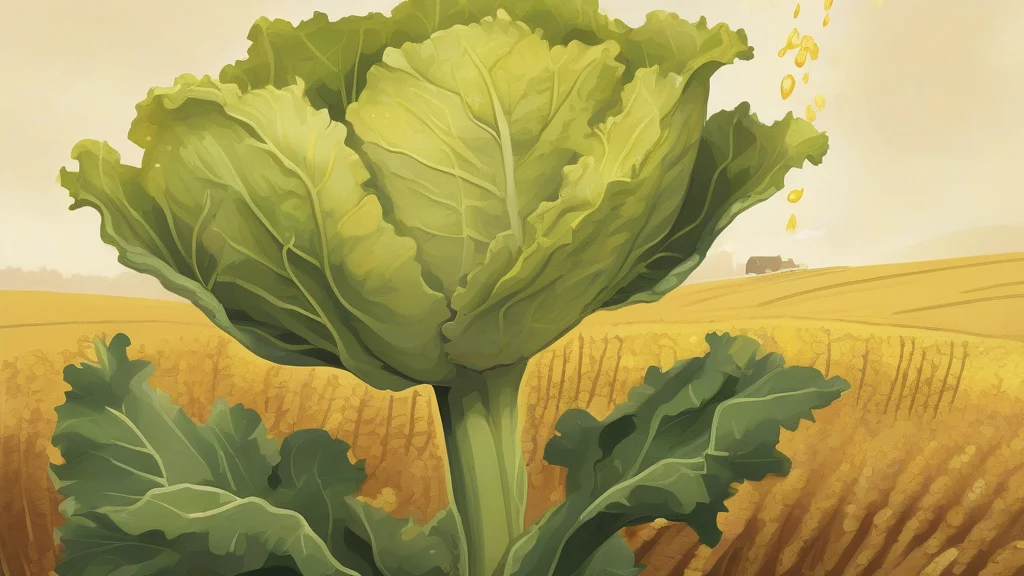
Colza is a noun referring to a bright-flowering plant of the mustard and cabbage family, Brassica napus (or related Brassica rapa varieties), widely cultivated in temperate regions for its small, oil-rich seeds. It is better known in everyday English as rapeseed or oilseed rape, with 'canola' denoting particular Canadian-bred low-acid cultivars. The word entered English in the seventeenth century from French, which in turn borrowed it from Dutch koolzaad, meaning literally 'cabbage seed' — a fitting name given the plant's kinship with kale, cauliflower, and other brassicas. Colza appears most often today in agricultural writing ('fields of colza', 'colza cake' fed to livestock) and in discussions of vegetable oils and biodiesel. Historically, colza oil served as lamp fuel and machinery lubricant before petroleum products displaced it. Though somewhat technical in register, the word remains current in farming and trade contexts across Europe.
nounA plant of the cabbage family (Brassica napus or Brassica rapa), cultivated for its seeds, which yield an oil used in cooking, lighting, lubrication, and biofuel; also called rapeseed. The term also refers to the oil itself.
- The rapeseed plant (Brassica napus/rapa), grown for its oily seeds
- The oil extracted from its seeds, historically used in lamps, lubricants, and cooking
"The fields of yellow colza stretched to the horizon in the spring sunshine."
"Farmers rotated wheat with colza to break pest cycles and enrich the soil."
"In the nineteenth century, colza oil was prized as a clean-burning fuel for lamps in European households."
Usually treated as an uncountable mass noun when referring to the crop or oil; the plural is rare and typically denotes individual plants.
"The farm grew alternating strips of wheat and colzas."
Before petroleum lamps took over, much of Europe burned colza oil for light — the same cheerful yellow crop now powering diesel engines across the continent.
Reviewed by Deb Chak, Editor. AI-assisted content curated by RJS Tech Solutions LLP.
Etymology of colza
The word 'colza' came into English in the early seventeenth century from French colza, itself borrowed from Dutch koolzaad, meaning 'cabbage seed' — a compound of kool (cabbage) and zaad (seed). This Dutch origin reflects the importance of the Low Countries in early rapeseed cultivation and oil pressing. The same Germanic root that gave Dutch kool underlies English words such as 'cole' (as in colewort), 'kale', and 'cauliflower', all members of the brassica family to which colza belongs.
How colza is actually used
Somewhat formal or technical in modern usage; everyday English speakers are far more likely to say 'rapeseed' or 'canola'. The term remains common in agricultural, historical, and continental European contexts. Note that 'colza' carries no relation to the soft drink 'cola' despite the similar spelling.
Easily confused with colza
A cola is a carbonated soft drink flavoured with kola nut extract, whereas colza is a plant cultivated for its oil-rich seeds.
Canola is a specific low-erucic-acid cultivar group of rapeseed developed in Canada, while colza traditionally refers to rapeseed plants and their oil more generally.