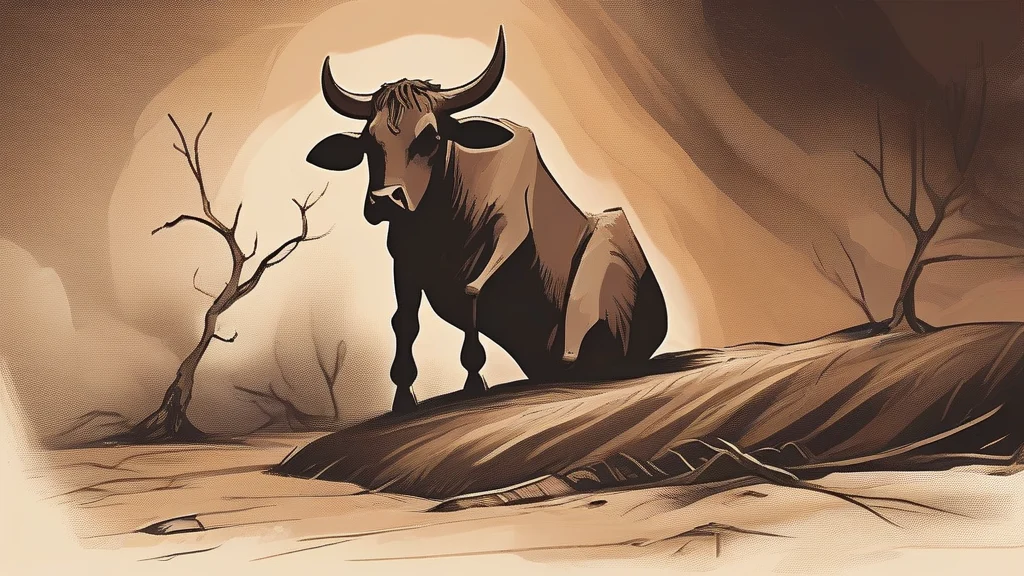
What does cowering mean?
'Cowering' is the present participle of the verb 'cower', meaning to crouch or huddle low out of fear, dread, or abject submission. A person cowering typically draws the body down and away from a perceived threat — a raised fist, an explosion, a barking dog — making the word vividly physical as well as emotional. It can also describe figurative shrinking, as when someone stands cowering before a domineering boss. The word nearly always implies helplessness or timidity: used of animals, children, or the vulnerable it evokes sympathy, while applied to adults who submit servilely it can carry contempt. Common constructions include 'cowering in fear' and 'cowering behind' something. Its Old Norse-influenced Middle English origins gave English one of its most evocative words for visible terror, complementing quieter terms such as 'fearful' or 'timid'.
verb (present participle of 'cower')To cower is to crouch down in fear or shame, or to shrink back cravenly from something threatening. 'Cowering' describes this act or posture of frightened shrinking.
- To crouch or huddle low in fear or terror, as from a threat or blow.
- To shrink back timidly or servilely from someone or something.
"The villagers sat cowering in their cellars as the storm tore the roofs overhead."
"The dog lay cowering under the table during the fireworks display."
"He spoke so harshly that the new clerk stood cowering by the door."
Before it meant trembling in fear, 'cower' may simply have meant to squat or crouch down — fear crept into the word later.
Reviewed by Deb Chak, Editor. AI-assisted content curated by RJS Tech Solutions LLP.
Etymology of cowering
The verb 'cower' entered English in the Middle English period (attested by the 14th century) as 'coweren', most likely borrowed from a Scandinavian source, compare Danish 'kure' meaning to squat or crouch. Originally it could denote simply crouching or stooping, without any implication of fear; the sense of shrinking in terror developed over time and became dominant. The word is Germanic in origin and is not related etymologically to 'coward', which derives from Latin 'cauda' via Old French, despite their suggestive resemblance.
Related word forms
How cowering is actually used
Almost always connotes fear, intimidation, or abasement, and carries a sympathetic or pitiable tone when applied to victims, but a contemptuous one when applied to the servile. Used chiefly as a present participle ('cowering behind the door') rather than standalone.
Easily confused with cowering
'Cower' is the verb describing the physical act of shrinking or crouching in fear, while 'coward' is a noun for a person who habitually lacks courage.