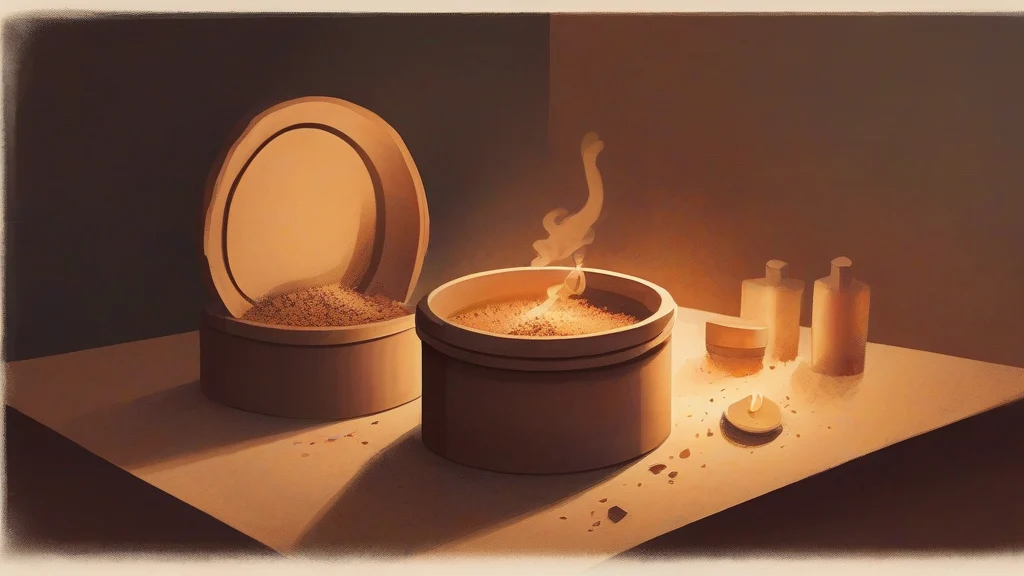
What does cremains mean?
Cremains are the ashes and bone fragments that remain after a human or animal body has been cremated. A relatively recent coinage blending "cremated" and "remains," the word emerged in late twentieth-century America as cremation grew from a rarity into one of the most common forms of disposition. Today it appears most often in legal, medical, mortuary, and administrative contexts — on urn labels, burial permits, and military paperwork — where precision matters more than euphemism. It functions grammatically as a plural noun: one speaks of "the cremains were scattered" rather than "was." While widely understood, the word carries a clinical tone that some mourners find impersonal, and many people continue to prefer the simpler, centuries-old word "ashes." In British English especially, "ashes" dominates everyday speech, making "cremains" chiefly a North American usage.
nounThe ashes and other remains of a human body after cremation.
- The ashes and residual bone fragments left after a human or animal body has been cremated.
"Her cremains were scattered in the garden she had tended for forty years."
"The urn containing his father's cremains sat on the mantelpiece."
"Veterans may choose to have their cremains interred with honors in a national cemetery."
Cremains is a plurale tantum — it has no singular form; use "the cremains were..." rather than "was." For a single portion, speakers say "some of the cremains" or use "ashes."
"The cremains were buried beside those of her husband."
"Cremains" isn't an ancient word at all — it's a modern portmanteau of "cremated" and "remains," coined in the late 20th century as cremation became common in America.
Reviewed by Deb Chak, Editor. AI-assisted content curated by RJS Tech Solutions LLP.
Etymology of cremains
Cremains is a twentieth-century American portmanteau combining "cremated" and "remains," first attested around the 1960s as cremation rates rose sharply in the United States. Both elements trace back to Latin: "cremate" derives from Latin cremare, meaning to burn, while "remains" comes through Old French from Latin remanere, to remain. Its closest relatives are therefore the other words built on cremare, such as cremation and crematory.
How cremains is actually used
Chiefly North American; in Britain "ashes" is far more common. The word is neutral-to-clinical in register — favored by funeral homes and legal documents — but some find it cold or awkward next to the gentler "ashes." It is almost always treated as plural, like "remains."
Easily confused with cremains
"Remains" is the general term for whatever is left of a body after death, while "cremains" refers specifically to what remains after cremation.