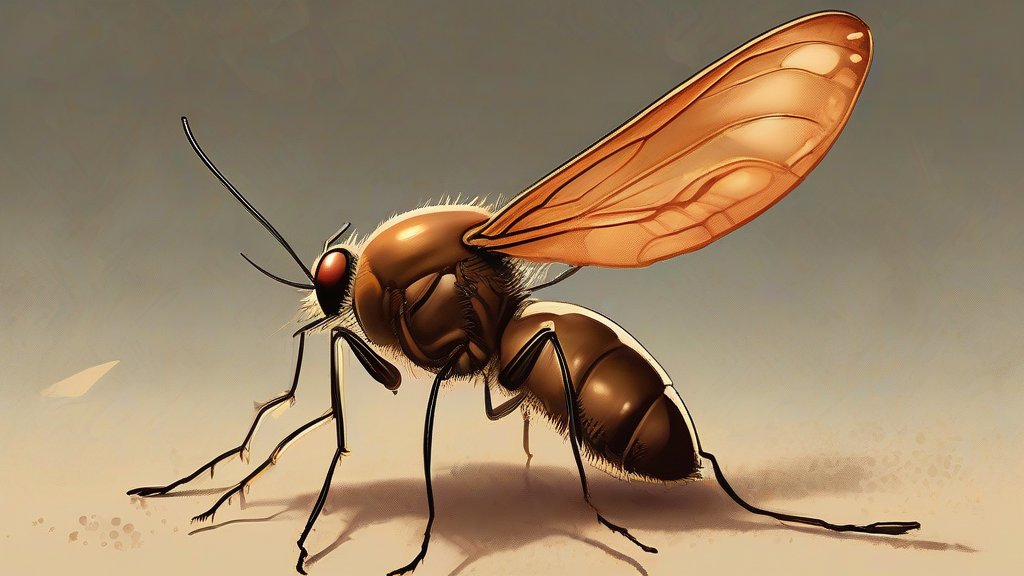
What does culices mean?
Culices is the plural of Culex, a large genus of mosquitoes found worldwide. The word derives directly from Latin culex, which meant 'midge' or 'gnat', and it survives almost exclusively in scientific contexts — entomology, public health, and taxonomy — where researchers refer to multiple specimens or species of these insects. Culices matter far beyond their size: species such as Culex pipiens, the common house mosquito, transmit diseases including West Nile virus, Japanese encephalitis, and lymphatic filariasis, making them frequent subjects of surveillance programs and vector-control efforts. Because Latin genus names retain their classical plurals, scientists writing about collections of these insects use culices rather than anglicized forms. Outside specialist literature the word is rare, and general readers will more often encounter 'mosquitoes' or 'Culex mosquitoes'. Its value lies in precise, formal communication within biology and medicine.
nounThe plural of 'culex', a scientific genus name for a group of mosquitoes that includes common house mosquitoes and several important disease vectors, such as Culex pipiens.
- Multiple mosquitoes of the genus Culex; used chiefly in entomological, medical, and taxonomic contexts.
"Entomologists collected culices from the stagnant pond to test for West Nile virus."
"Researchers trapped hundreds of culices near the wastewater treatment plant during the summer surveillance program."
"The field guide describes how to distinguish culices from anophelines by their resting posture."
Culices is itself the standard plural of the singular genus name culex. In taxonomic practice, however, genus names are often used as invariant mass nouns, so 'Culex' alone may appear even when referring to multiple individuals or species.
"Several culices collected overnight tested positive for the virus."
In Latin, culex simply meant 'gnat' — but today culices are among the world's deadliest animals, transmitting West Nile virus and other diseases.
Reviewed by Deb Chak, Editor. AI-assisted content curated by RJS Tech Solutions LLP.
Etymology of culices
Culices comes directly from Latin culex (genitive culicis), meaning 'midge' or 'gnat'. When Carl Linnaeus established the modern system of binomial nomenclature in the eighteenth century, he adopted the Latin word as the genus name for a group of mosquitoes, preserving its classical plural culices. Related English terms include the family name Culicidae and adjectives such as culicid and culicine, all derived from the same Latin root.
How culices is actually used
Strictly plural in form but treated as a singular mass noun when referring to the genus as a whole (as with most Latin genus names). Used almost exclusively in scientific, medical, and technical writing rather than everyday speech.
Easily confused with culices
Culex is the singular form referring to one insect or the genus as a taxonomic unit, while culices is its plural referring to multiple such mosquitoes.