What does damaskeen mean?
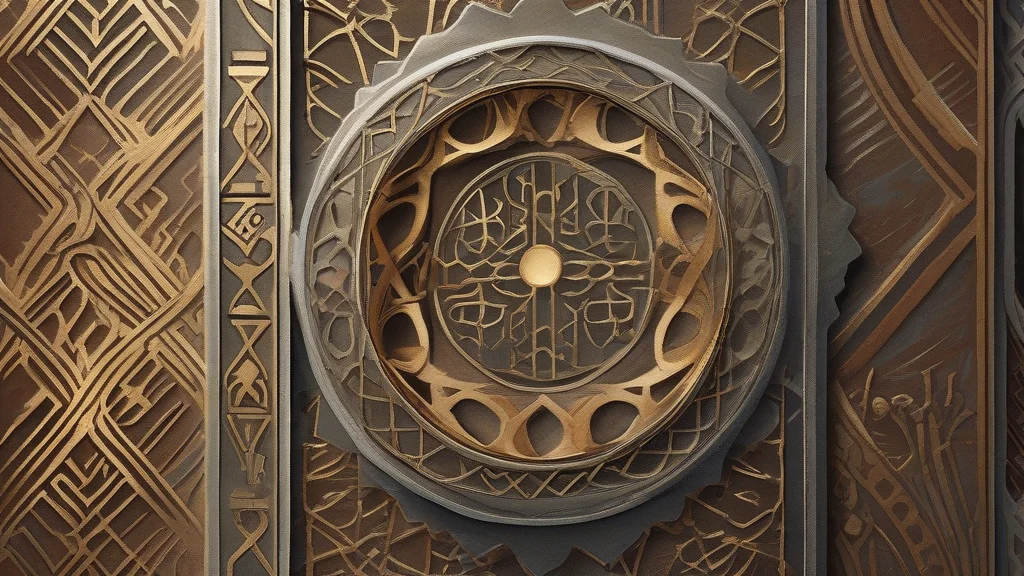
Damaskeen means to decorate metal—typically steel, iron, or bronze—by inlaying threads or plates of gold, silver, or other metals into its surface so that they form flowing ornamental patterns. It can also function as a noun describing the resulting inlaid decoration itself. The word derives from Damascus, the Syrian city long famed for its luxurious textiles and exquisite metalwork, making it a sibling of 'damask', the name for richly figured fabric. In practice, 'damaskeen' appears almost exclusively in specialist contexts: descriptions of antique swords, firearms, armor, watch cases, and other finely wrought objects. Collectors and historians of decorative arts use it to signal craftsmanship of unusual refinement, often interchangeably with the more common term 'damascene'. Because of its rarity and graceful sound, employing 'damaskeen' conveys both precision about technique and an appreciation for the heritage of Near Eastern artisanship behind the craft.
To ornament metal, especially steel, by inlaying it with gold, silver, or other metals in decorative patterns.
"The blade was damaskeened with vines of pure silver."
Almost exclusively used of antique or high-craft metalwork.
Ornamental inlaid work on metal, especially designs of precious metals set into steel or iron.
"The dagger's scabbard gleamed with fine damaskeen."
Used chiefly by collectors and historians of arms and armor.
Rare; the plural appears only when referring to multiple instances of inlaid ornamentation.
"The museum displayed daggers adorned with damaskeens of gold and silver."
Named after Damascus—the same city that gave us damask tablecloths—'damaskeen' carries centuries of Syrian metalworking artistry in just three syllables.
Reviewed by Deb Chak, Editor. AI-assisted content curated by RJS Tech Solutions LLP.
Etymology of damaskeen
Damaskeen comes ultimately from Damascus, the ancient capital of Syria renowned since antiquity for fine fabrics and decorated metalwork. English acquired it via forms related to 'damascene' and 'damask', all tracing back through medieval Latin and Greek variants of the city's name. The verb entered English usage around the early modern period as collectors and writers described oriental arms and armor inlaid with precious metals.
Related word forms
How damaskeen is actually used
A rare, specialist term encountered chiefly in discussions of antique arms, armor, horology, and decorative metalwork. It lends an elevated, scholarly tone and is far less common than its synonym 'damascene'. Both verb and noun uses are literary rather than everyday.
Easily confused with damaskeen
Damask refers to a figured fabric of silk, wool, or linen (or a pattern resembling it), whereas damaskeen is the art or act of inlaying designs into metal.
Damascene describes both the metal-inlaying craft and anything relating to Damascus, while damaskeen more specifically names the inlaid ornamentation or the act of producing it.