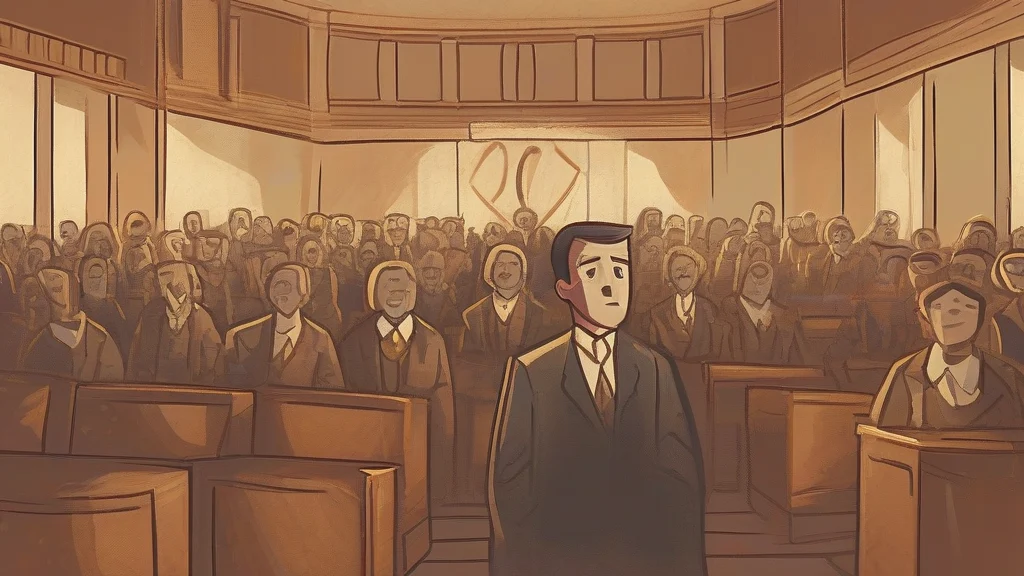
What does declamation mean?
Declamation is the art and act of delivering a formal speech with rhetorical power — expressive gestures, controlled voice, and carefully constructed language. It can also refer to the speech itself: a composition written specifically to be recited aloud, as in the exercises long used in schools to train students in eloquence. The word comes from the Latin declamatio, tied to declamare, 'to speak out', and it entered English in the sixteenth century alongside a revival of interest in classical rhetoric. Today it appears most often in discussions of oratory, debate, drama training, and the history of education. Its connotations cut both ways: it can praise genuinely moving public speaking, or, in phrases like 'mere declamation', suggest speech that is grandiose but hollow. Related forms include the verb declaim and the adjective declamatory.
nounThe action or art of delivering a formal speech, especially with rhetorical skill and expressive delivery; also, a speech composed for or delivered in this way.
- Formal public speech-making delivered with force and rhetorical effect.
- A piece of writing or speech composed to be delivered rhetorically; a set-piece exercise in eloquence.
"Her declamation of the Gettysburg Address held the entire auditorium spellbound."
"The debate final was decided less by argument than by sheer declamation."
"In Victorian schools, pupils memorised passages of Shakespeare for Friday afternoon declamation."
Used when referring to multiple speeches or instances of declamation, such as a collection of rhetorical exercises.
"The anthology collects the declamations of Roman schoolboys, preserved on papyrus fragments."
Roman students didn't just study rhetoric — they performed declamationes, invented courtroom speeches so dramatic that the practice shaped Western education for centuries.
Reviewed by Deb Chak, Editor. AI-assisted content curated by RJS Tech Solutions LLP.
Etymology of declamation
Declamation derives from Latin declamatio, formed on the verb declamare, meaning 'to shout' or 'to speak aloud formally', itself built from de- ('out') plus clamare ('to cry out'). In ancient Rome, declamation was a core training exercise in rhetoric, and the term passed into English in the sixteenth century during the Renaissance revival of classical learning. Cognate English words from the same root include declare, declaration, and declaim.
Related word forms
How declamation is actually used
Declamation is a fairly formal word. It often carries a slightly pejorative shade when describing speech that sounds impressive but is empty or theatrical — 'mere declamation'. In its neutral sense it belongs to contexts of classical education, rhetoric, and competitive speaking.
Easily confused with declamation
Reclamation means the act of reclaiming something (such as recovering land from the sea or waste materials), while declamation refers to formal, rhetorical speech-making.